

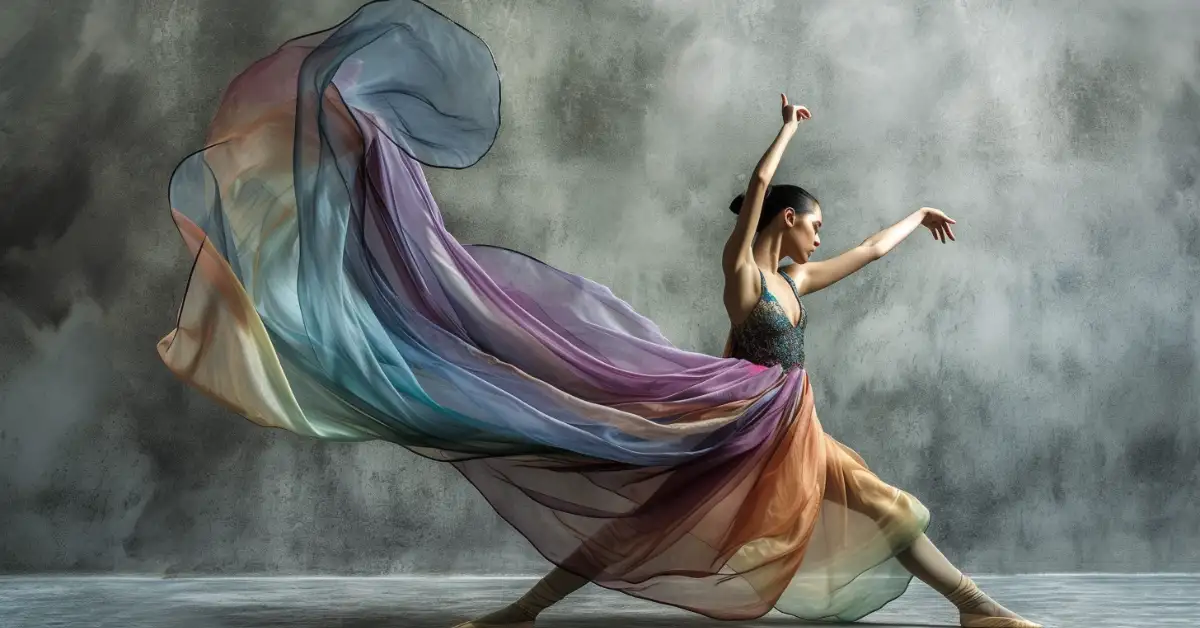
The right song does half the choreography before you take a step. These twelve tracks are my working set of best contemporary dance songs for 2026: not the only songs on earth, but the ones I keep returning to when I need emotion, structure, and a beat that respects counts.
How I pick the best contemporary dance songs for real choreography
I do not treat best contemporary dance songs as a generic Spotify mood. I treat them as tempo maps. A good class track gives you an obvious inhale, a place to hold stillness, and a build that will not fight your counts. A bad track looks emotional on paper and turns choreography into shouting.
This list is what I actually loop when I am staging contemporary pieces or helping friends pick music for competition. If you need vocabulary first, read our piece on contemporary dance music, then come back here for specific tracks. For movement language, contemporary dance moves and lyrical vs contemporary help you match song choice to style.
Slow tracks that give the floor room to speak
To Build a Home when the piece needs silence before motion
The Cinematic Orchestra built a song that behaves like a exhale. I use “To Build a Home” when I want dancers to earn the first lift instead of arriving in it. The piano entrance is slow enough that you can set a shape and let the audience read it before anything travels.
I have seen this track carry senior solos and small group pieces alike because the lyrics do not rush the phrasing. If your choreo feels busy on paper, try running it once to this song before you blame the dancers.
Eyes on Fire for twilight tone without costume drama
Blue Foundation’s “Eyes on Fire” survived the hype cycle because the pulse stays steady while the vocal floats. I like it for contemporary that borrows from lyrical phrasing but still wants a club heartbeat underneath.
The track is long enough to develop a full arc: floorwork intro, standing middle, final suspension. I would not use it for a sharp jazz routine, but for grounded contemporary it still feels current in studio settings.
Fix You and the Coldplay lift everyone borrows
Yes, it is everywhere. I still keep “Fix You” because the dynamic shift is choreographer-friendly. You get a quiet verse, then a release that reads clearly even from the back row of a high school auditorium.
The interesting part is restraint. Dancers want to explode at the drop. The song rewards the opposite: stay small until the band widens, then let the run actually mean something.
Bryan’s Grief for film-score weight on a bare stage
Nathaniel Mechaly’s “Bryan’s Grief” is not a party track. It is a narrative shortcut. I reach for it when a piece needs grief without explaining grief in mime gestures.
Strings carry the tension so your dancers can stay simple. I have used it in pieces about family and loss where the director wanted cinematic tone on a community theater budget.
Mid-tempo vocals for partner work and emotional drive
Do Not Hang Your Head for phrases that need conversation
Elizabeth and the Catapult give you lyrics that sound like someone thinking out loud. I use “Do Not Hang Your Head” for duets where the partnership should feel unequal for the first half, then level out.
The rhythm is walkable. That matters more than people admit. If your dancers cannot find the downbeat without counting aloud, the song is doing its job by staying honest.
Reason To Hate You when anger needs texture
Rhys Lewis writes frustration without turning the track into pure rock aggression. I like that for contemporary because anger on stage often becomes stiff fists and nothing else.
Here you can play opposition: one dancer pulling away while the vocal insists on staying. It is a strong choice for teen competition pieces that want maturity without picking a ballad everyone has heard a thousand times.
She Is Love for soft partner lifts that still move
Parachute’s “She Is Love” is lighter than the previous tracks, which is exactly why it works mid-program. I slot it after something heavy so the audience resets before the final peak.
Partnering reads clean here because the melody leaves space for prep time. I tell lifts to finish on the lyric breath, not after it, or the emotion reads late.
Smokestacks when the choreo wants grit under beauty
Layla’s “Smokestacks” has a worn-in vocal that feels lived-in. I use it for contemporary with folk edges, boots on the floor, weight in the heels.
It is not a lyrical fairy track. The texture pushes you toward grounded movement and away from floating arms for three minutes straight.
If your studio labels everything “contemporary” but the dancers default to lyrical hands, this song forces a different attack.
Cinematic builds and tracks that end a program with impact
When I Was Older for Billie Eilish restraint
Billie Eilish’s “When I Was Older” spreads like fog. I use it when I want the stage picture to feel wide without adding more dancers.
The vocal sits back in the mix, which gives you room for stillness that still scans. Contemporary pieces about memory work well here because the song never rushes the dancer to hit a trick.
Always Midnight for a clean emotional landing
Pat Monahan’s “Always Midnight” is a closer song. I put it near the end of a concert program when the audience is tired but still listening.
The melody is direct. You do not need extra acting. I have seen students finally connect with their faces on this track because the music tells them when to look up.
It is not edgy. It is reliable, and sometimes reliable wins the room over clever.
Land Of All when the stage needs scale
Woodkid builds anthems that feel architectural. “Land Of All” is big without reading as pop radio fluff.
I use it for group pieces that need a unison hit everyone can hear. The drums organize bodies fast.
The risk is over-performing size. I coach dancers to let the sound fill the space first, then add height. Otherwise it looks like marching.
Latch for house pulse with a vocal hook
Disclosure’s “Latch” with Sam Smith is the outlier on this list: more rhythm, more nightlife. I close with it when I want the piece to end on forward motion instead of a bowed head.
The groove is steady enough for traveling phrases and sharp enough for musicality drills. If you teach heels or contemporary fusion, this is often the track that gets students to commit to timing.
What makes a song work for contemporary (not just lyrical)
A strong contemporary track leaves space for breath and surprise. Lyrical songs often hand you the emotion on a plate. Contemporary songs should let the dancer decide when the feeling arrives. I listen for three things: a clear downbeat I can teach without yelling, a dynamic shift I can map on paper, and a vocal or instrument line that does not compete with floorwork.
Tempo matters less than texture. A mid-tempo song with a steady pulse can carry more movement than a fast song that masks sloppy timing. When in doubt, run the piece once with the music only in the room. If you keep adjusting counts, pick a different track.
FAQ
Can I learn contemporary dance at 30?
Yes. Many studios offer adult beginner contemporary classes. Song choice matters less than fundamentals: alignment, floor transitions, and learning to breathe with phrasing.
What music do modern dancers use?
Modern and contemporary dancers use a wide range, from piano ballads to electronic tracks. The common thread is emotional arc and room for breath, not one genre.
What makes a good contemporary dance song?
A good song has a clear structure, a dynamic shift, and space between phrases so movement can land. It should support counts without forcing tricks every eight counts.
Are these songs only for competitions?
No. I use them in class, student showcases, and small theater pieces. Competition is one context, not the only one.
Pick one song from this list and map an eight-count phrase to each major dynamic shift. If you want more movement ideas next, browse contemporary jazz dance or return to the playlist embed at the top and treat it as a practice session, not background noise.