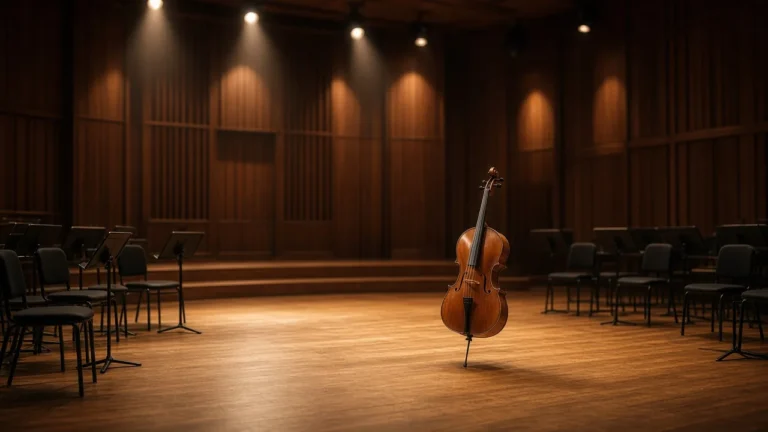

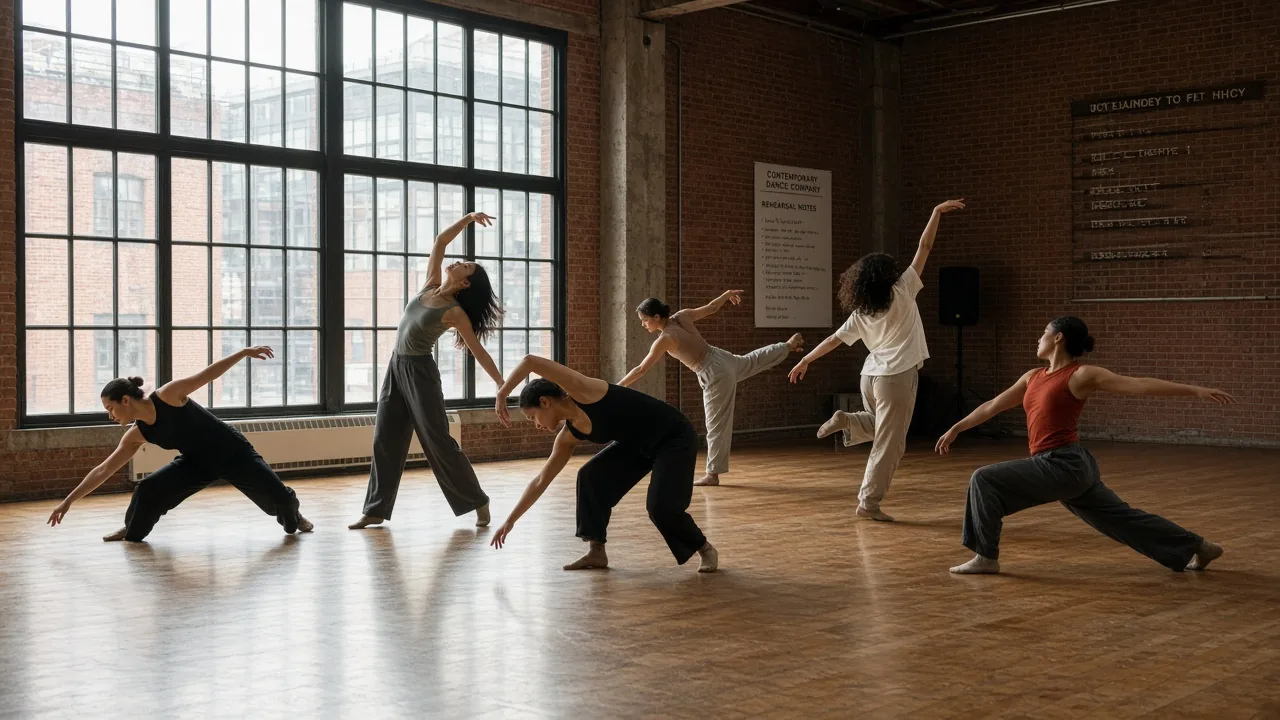
Contemporary dance music is a phrase that collapses three different conversations into one: the score a choreographer picks, the concert genre people stream on Friday night, and the hybrid tracks that live between concert hall and club. I care about the first meaning most. When I watch rehearsals, the music is not wallpaper. It is a partner with opinions.
This page is how I choose and talk about music for contemporary dance without pretending there is one correct playlist. No year stamp. No fake ranking of “best songs.” Just what holds up when bodies have to answer it.
What I Mean by Contemporary Dance Music
In the studio, contemporary dance music can be a Steve Reich pulse, a sparse piano loop, a field recording of rain on tin, a chopped vocal sample, or silence that still counts as a score. Outside the studio, the same phrase gets used for radio-friendly electronic pop. I keep those lanes separate so I do not write nonsense.
Historically, concert dance pulled from classical repertoire, then from modern composers who broke meter and harmony on purpose. Today choreographers also pull from club culture, hip-hop production, ambient albums, and DIY phone recordings. The through-line is usable structure: something a body can enter, resist, or ignore with intention. If you want a parallel conversation about movement aesthetics rather than scores, start with contemporary hip hop dance on this site.
Studio Reality Check
Floor Work Needs Air
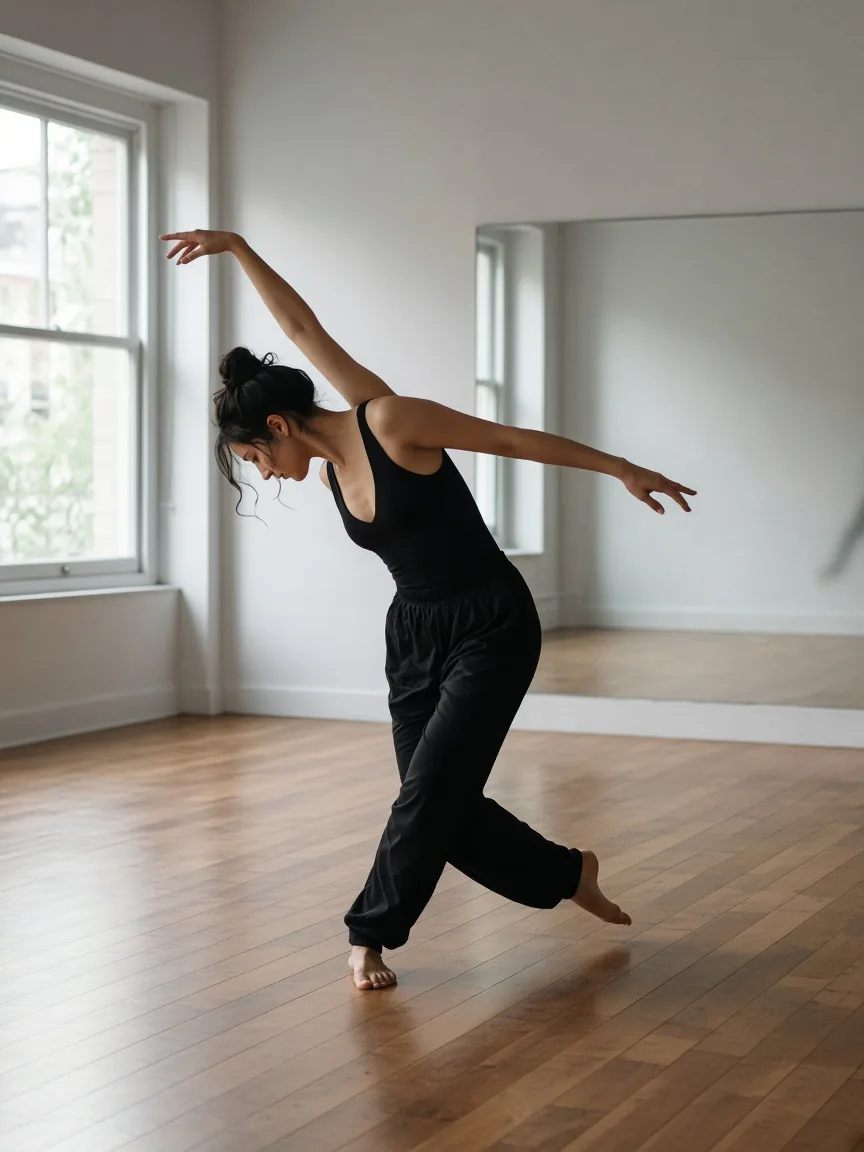
Rehearsal music has to survive repetition. A track that thrills once can become punishment on the fortieth run. I look for pieces with clear phrasing and enough sonic space that breath and footfall remain audible. Dense maximalism is fine for a premiere night. For learning phrase work, I want a grid I can count without drowning.
Tempo is not just BPM. It is how the groove sits in the body. A slow track with heavy low end can feel faster than a bright mid-tempo piano loop. I ask dancers where the music lands: chest, pelvis, feet. If nobody can answer, the track is decorative.
Stage Pressure and Emotion
One Light, One Line
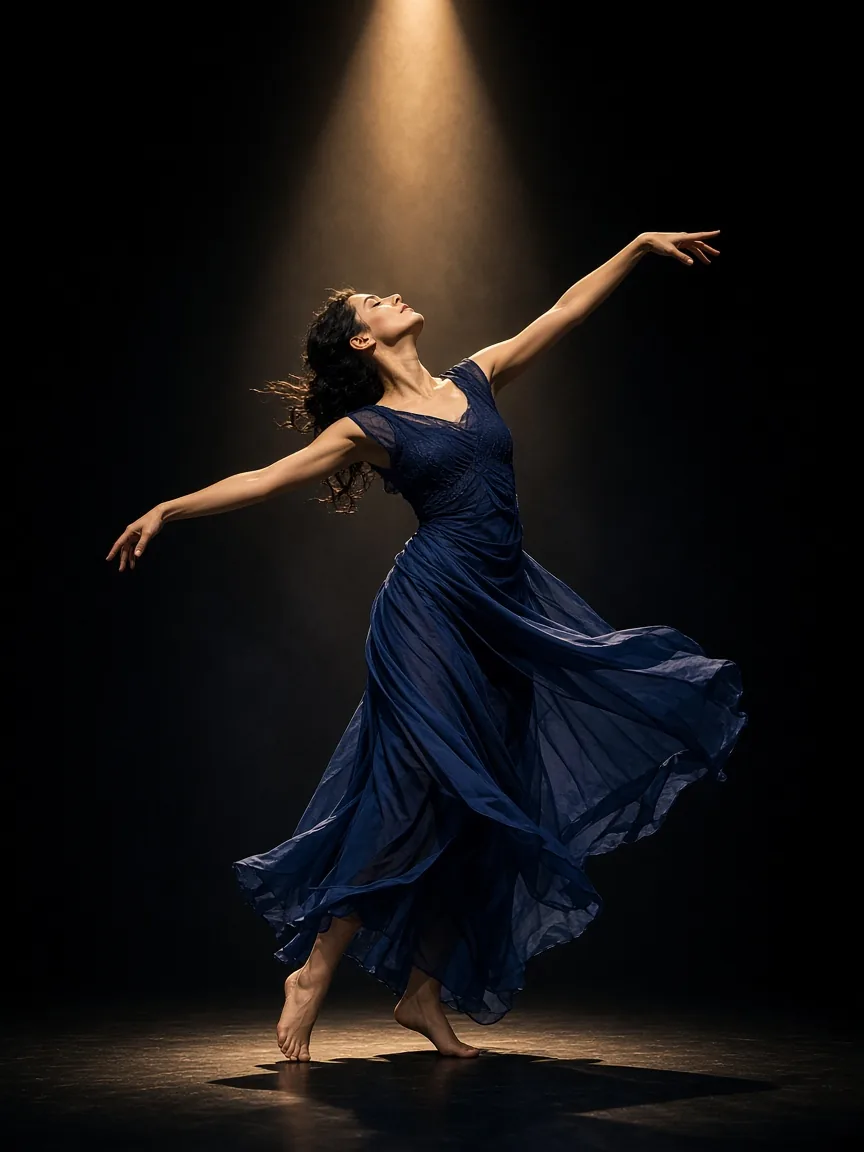
On stage, music becomes architecture. A spotlight solo needs a score that leaves room for face and breath. Emotional impact is not the same as sad piano. Sometimes the hardest choice is a dry electronic pulse under a vulnerable phrase, because the contrast keeps the performance from melting into sentiment.
Structural coherence matters more than genre loyalty. I will take a three-part electronic piece with clear sections over a famous ballad that forces the dance into music-video mime. If the audience only remembers the song, the choreography lost.
Elements I Actually Audit
Emotional temperature: Does the track push dancers into a single mood, or does it allow shifts? Single-mood scores can work for short works. Full evenings need weather systems.
Soundscape and register: High, thin textures tire the ear. Sub-heavy tracks tire the body. Midrange clarity helps counts and cueing. I listen on studio speakers and on a phone speaker because that is how half the cast will rehearse at home.
Silence and negative space: Contemporary dance music includes the decision to cut the track. Silence is still a musical choice. It can be more honest than another swelling crescendo.
Artists and Tracks as Working Tools
I do not publish a fixed “best of” list because licensing and taste move. What I recommend as a method: build a rehearsal crate with (1) a metronomic electronic piece, (2) a textural ambient piece, (3) one lyrical instrumental, (4) one vocal track you are willing to fight with, and (5) one found-sound sketch. Rotate them against the same phrase. Notice which one makes the phrase specific.
Influential sources I keep returning to as reference points include minimalist concert music, early house and techno for pulse, contemporary classical composers who write for dance companies, and experimental producers who treat voice as texture. Names matter less than function. If a track cannot survive being danced badly in rehearsal, it will not survive being danced well on opening night.
Choreography Partnership
Music-first choreography sets counts from the score. Movement-first choreography finds music that fits an already living phrase. Both are valid. Trouble starts when you pretend you are music-first while secretly chopping the track into mush to hide weak transitions. Edit the dance or edit the audio, but admit which one is leading.
For culture-wide context on how contemporary art languages migrate across media, the framing in contemporary art styles is useful even when the medium is sound. Categories are maps. Bodies ignore maps when they need to.
I also keep an eye on how dance music culture (clubs, festivals, DJ sets) feeds concert stages. Borrowing a club track can energize a room. Borrowing it without understanding its social context can look like costume. Respect the source, clear the rights, and decide whether the dance adds anything the track did not already say.
A Working Crate, Not a Ranking
People ask for song lists because lists feel like progress. I give categories instead. Pulse tracks for phrase drilling. Textural beds for improvisation. Lyrical instrumentals for duet work. One vocal track that you are willing to argue with in the studio. One almost-silent sketch for transitions. Rotate them against the same phrase for a week. The phrase will tell you which track was flattering and which track was true.
Rights clearance is part of the art now. A perfect rehearsal track that cannot be performed publicly is a trap. Build a shortlist of clearable options early. Commission when you can. Edit with a sound designer when the dance outgrows the album version. Do not wait until tech week to discover that the drop everyone loves is uncleared.
I also watch how contemporary dance music travels on social clips. A fifteen-second excerpt can misrepresent a twenty-minute score. If your work will live online, plan the sonic hook without letting the hook own the full piece. The stage version can stay stranger than the trailer.
Where I Land
Contemporary dance music, in the sense I use it, is whatever sonic structure makes contemporary movement more precise, more risky, or more honest. Genre is secondary. Listening is primary. If you only stream playlists titled “contemporary dance,” you will get a mood. If you sit in a rehearsal and watch what the music does to timing and attention, you will get a craft.
That craft is what I trust. Everything else is branding. Keep the branding off the rehearsal playlist if you can help it.
Teaching contexts change the brief again. In class, contemporary dance music should support learning without hypnotizing students into copying the teacher’s musicality only. A clear pulse helps beginners. Advanced students can handle scores that refuse to count neatly. I change the track mid-combination sometimes on purpose, so dancers learn the phrase as movement first. Music dependence is useful until it becomes a crutch.
Collaboration etiquette matters. Credit composers and producers in programs. Tell dancers why a track was chosen so they can argue productively. If a cast hates a score, listen before you dig in. Stubbornness can be artistic. It can also be ego wearing rehearsal clothes.
Finally, protect your ears and theirs. Studio volume that feels exciting for twenty minutes becomes injury over a season. Loud is not the same as powerful. Contemporary dance music can be intense at moderate levels when the arrangement is clear and the room is quiet enough to hear detail.
If you leave with one habit, make it this: watch a phrase once with sound, once without, then choose the track that still improves the silent version. That is the shortest path I know to music that serves contemporary dance instead of decorating it.
FAQ
What is contemporary dance music?
In dance practice it means music used for contemporary choreography, from classical minimalism to electronic and experimental sound. In popular streaming language it can mean modern electronic pop. Ask which meaning someone is using before you argue.
How do you choose music for contemporary dance?
Test tracks against real phrase work, check tempo feel and sonic space, confirm emotional range, and verify licensing. Prefer scores that still work after heavy repetition.
What music do modern dancers use?
Anything that serves the piece: commissioned scores, existing albums, silence, spoken word, and hybrid edits. There is no single correct genre.
Do lyrics help or hurt?
Lyrics help when the dance can talk back to language. They hurt when the audience watches the singer in their head instead of the bodies on stage. I use vocals when the choreography has a point of view about the words.