
People ask me for a map when they say contemporary art styles. They want a clean list with dates and definitions. Fair request. The honest answer is messier: styles overlap, artists borrow, and museums relabel the same work every decade.
I wrote this as a working guide, not a textbook. Twelve lenses I actually use when I walk a gallery or explain a piece to someone who says they do not get contemporary art. If you want names attached to movements, start with contemporary artists of today and return here for vocabulary.
Here is the map the title promises. Dates are the ones I opened on Tate’s art-term pages, starting with Pop art. A cell that says not pinned here is a style I would not date from memory.
| Style | Emerged | Key traits | Key names | How to spot it |
|---|---|---|---|---|
| Pop Art | 1950s, peak in the 1960s | Advertising, comics, hard edges | Andy Warhol, Roy Lichtenstein | It could live on a poster and still hold a museum wall |
| Photorealism | Late 1960s | Photographic precision, ordinary subjects | not pinned to a founder here | A painting that looks like a photograph |
| Neo-Expressionism | 1980s | Figurative painting, heavy paint | Georg Baselitz, Anselm Kiefer | The brush is loud and the paint is thick on purpose |
| Geometric abstraction | not pinned here | Line, grid, system | not pinned here | A few degrees of angle change the whole temperature |
| Minimalism | Late 1950s, flourished in the 1960s | Simple geometry, the object is the reality | Donald Judd, Dan Flavin, Carl Andre | You notice the room more than a story |
| Conceptual Art | Mid-1960s to mid-1970s | The idea outranks the finished object | Joseph Kosuth, Art and Language | You need the instructions, not just the thing |
| Fluxus | Founded 1960 | Scores, cheap materials, performance | George Maciunas, Yoko Ono, Nam June Paik | It looks unserious and the stakes are still high |
| Abstract Expressionism | 1940s and 1950s, New York | Gesture or large fields of color | Jackson Pollock, Mark Rothko, Willem de Kooning | You watch tempo, not a depicted scene |
| Installation | Environments from about 1957 | The room is the work | Allan Kaprow, Yayoi Kusama | You cannot see it properly from one spot |
| Sculpture | not pinned here | An object you walk around | not pinned here | The meaning changes when you change sides |
| Earth and Land Art | 1960s and 1970s | The landscape is the material | Robert Smithson, Richard Long | You leave the white cube |
| Digital and video | not pinned here | Time, loops, screens | not pinned here | The repeat feels either calm or like a trap |
Pop Art, Abstract Expressionism, Fluxus, and Minimalism are roots of contemporary art. They still train the eye. They are not a report on what opened last month.
How I use contemporary art styles without mixing them up
I separate style from medium and period. Pop Art is a style. Video is a medium. Contemporary is a time frame. When those collapse in one sentence, readers leave confused and comment sections turn hostile.
I also keep modern and contemporary distinct. Our piece on modern vs contemporary art handles that fight. This article stays inside living practice: what curators schedule now, what first-time viewers argue about now, what feeds argue about now.
Styles that borrow from mass culture and the visible world
Pop Art when the ordinary image becomes the subject
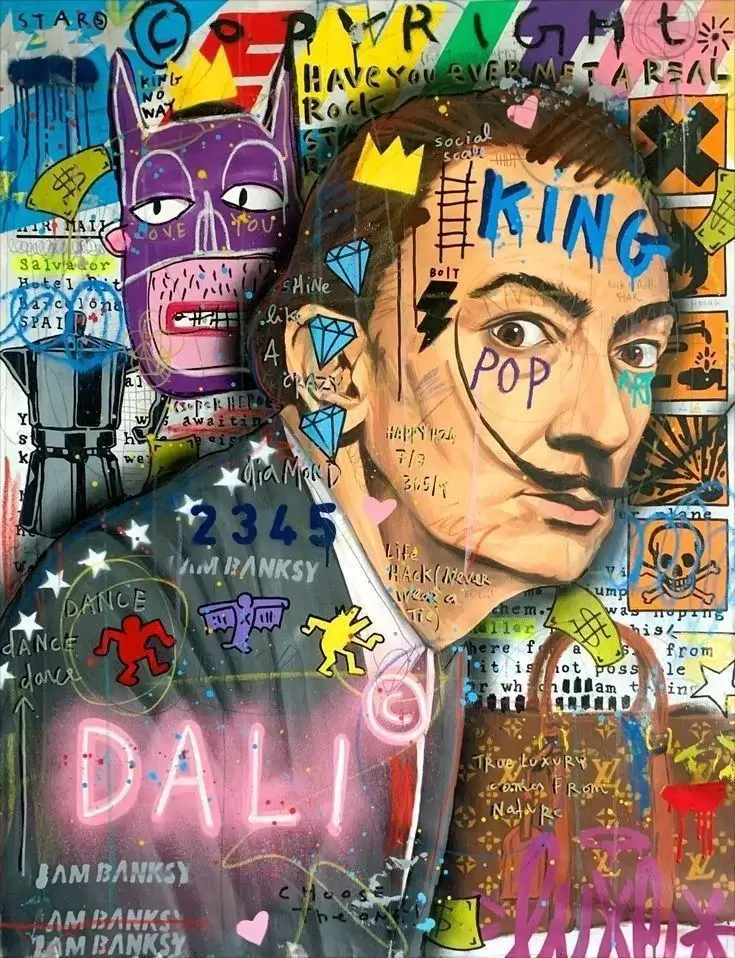
Pop Art is the style that refuses to pretend advertising does not exist. Warhol did not invent soup cans as a metaphor. He treated the label like a portrait sitter. That shift still defines how contemporary art styles talk to popular culture.
I point beginners to our contemporary pop art guide when they want more history. For now, remember the test: if the work looks like it could live on a poster and still holds up in a museum, you are probably in Pop territory.
Photorealism and the unsettling perfect copy

Photorealism asks a rude question: if the painting looks like a photograph, why paint it at all? The answer is usually labor and obsession. The brush tracks what a lens flattens.
I find this style useful when I want someone to look longer. First-time viewers slow down because the image refuses a quick read. It is not nostalgia for realism. It is skepticism about how easily we trust surfaces.
Neo-Expressionism when the brush starts shouting again
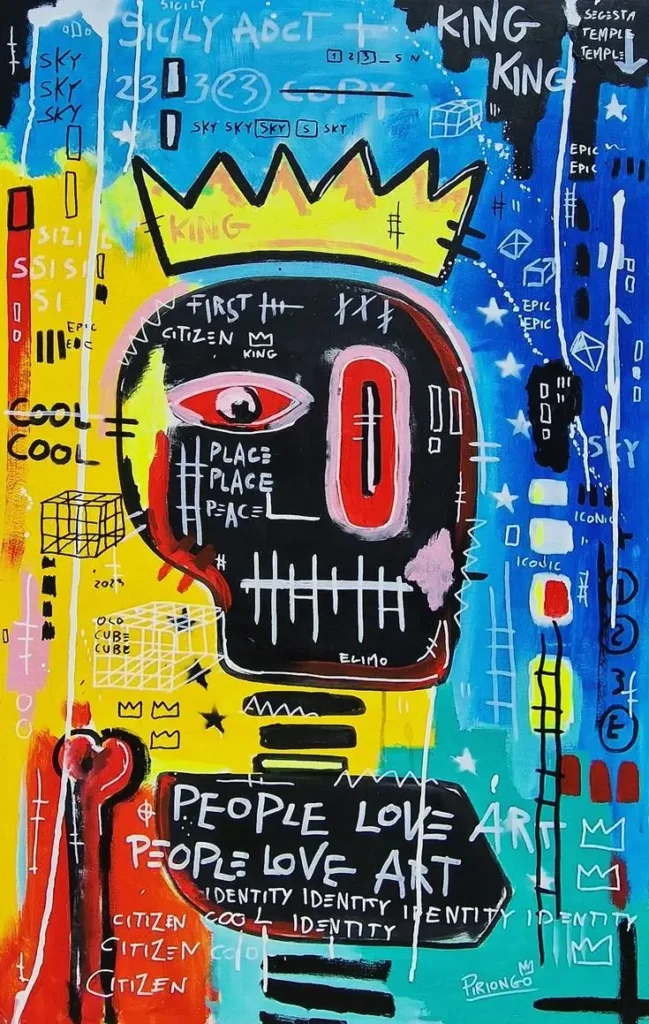
After years of cool minimalism, Neo-Expressionism brought figuration back with teeth. Baselitz, Kiefer, and their generation made history feel physical again, not illustrated.
The style can look messy on purpose. I tell readers not to confuse chaos with carelessness. Track where the paint thickens. That is usually where the argument lives.
Geometric abstraction and the grid that will not leave
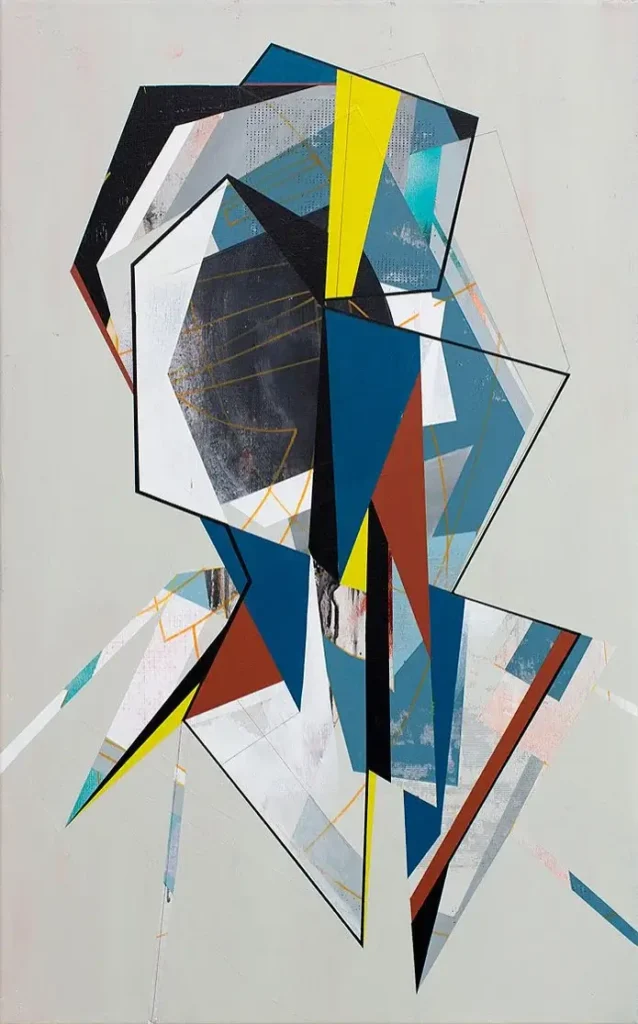
Geometric work looks simple until you try to reproduce it. A line off by two degrees changes the whole temperature of a piece.
I group hard-edge geometry with design history in my head, but contemporary versions often comment on systems: maps, data, architecture, screens. The grid is not neutral. It never was.
Styles that lead with ideas, restraint, or process
Minimalism and the discipline of leaving things out
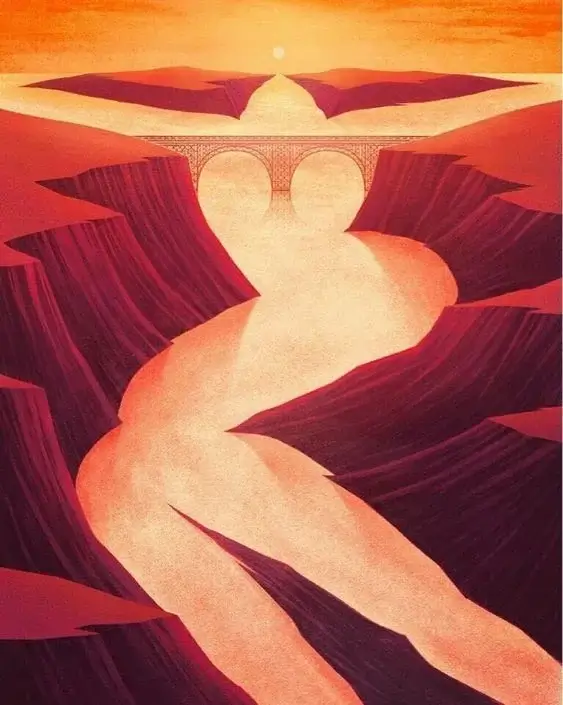
Minimalism is where I send people who feel overwhelmed by loud biennials. The work asks you to notice space, light, and proportion instead of narrative plot.
It is easy to call minimal art empty. I think that misses the point. The omission is the content. Our contemporary minimalist art overview goes deeper on key artists if you want a second pass.
Conceptual Art when the idea outruns the object

Conceptual Art still triggers the joke: my kid could do that. I respond with a question: did your kid write the instructions? The score, the contract, the wall label, the permission structure, those can be the artwork.
I value this style because it trains reading. You cannot skim conceptual work and feel satisfied. That irritates some visitors. For me, irritation is sometimes the first honest reaction.
Fluxus and the anti-precious attitude
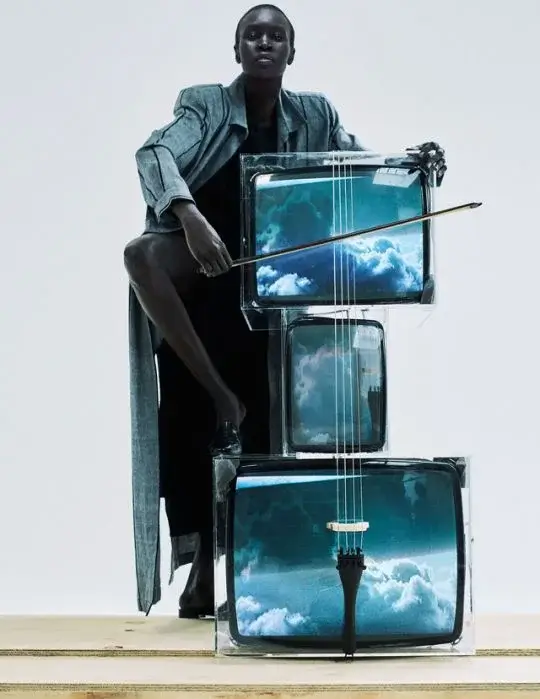
Fluxus is the style I mention when someone says contemporary art takes itself too seriously. Happenings, cheap materials, instructions anyone could perform: the point was to lower the gate without lowering the stakes.
It connects to music, poetry, and design in ways museum departments still struggle to file. That interdisciplinary mess is exactly why Fluxus matters when we list living contemporary art styles.
Abstract Expressionism as emotional scale before words
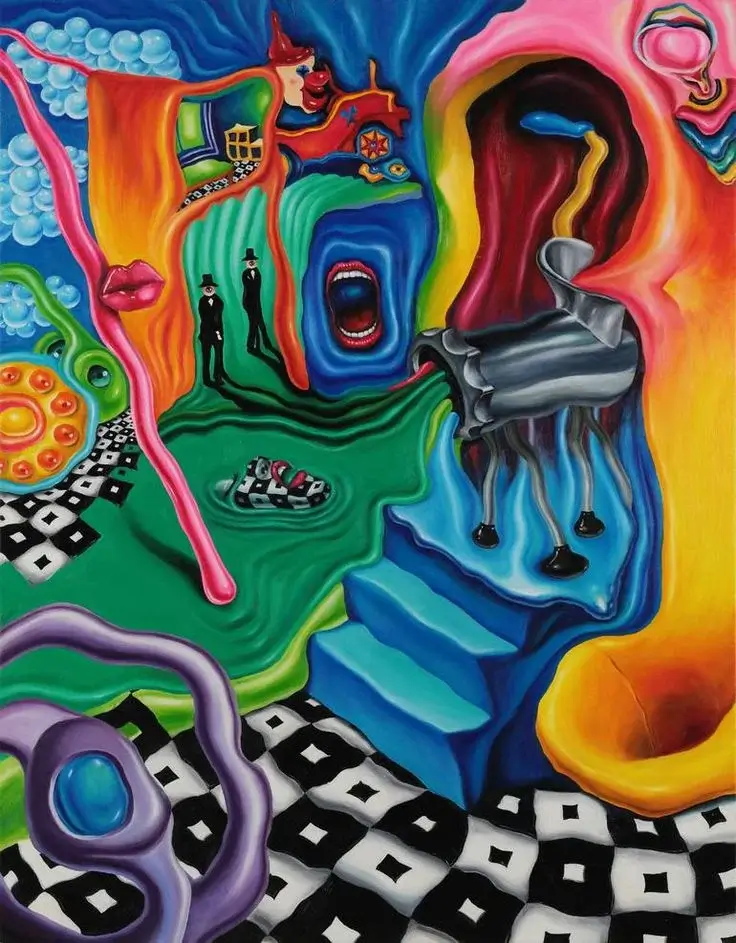
Abstract Expressionism is historical, but its habits never left. Large canvas, visible gesture, color as feeling before story.
When I stand in front of a strong abstract expressionist piece, I stop trying to name shapes. I watch tempo: fast marks versus slow stains. The body of the maker is still in the room through paint.
Styles that take over rooms, land, and screens
Installation Art when the room is the medium
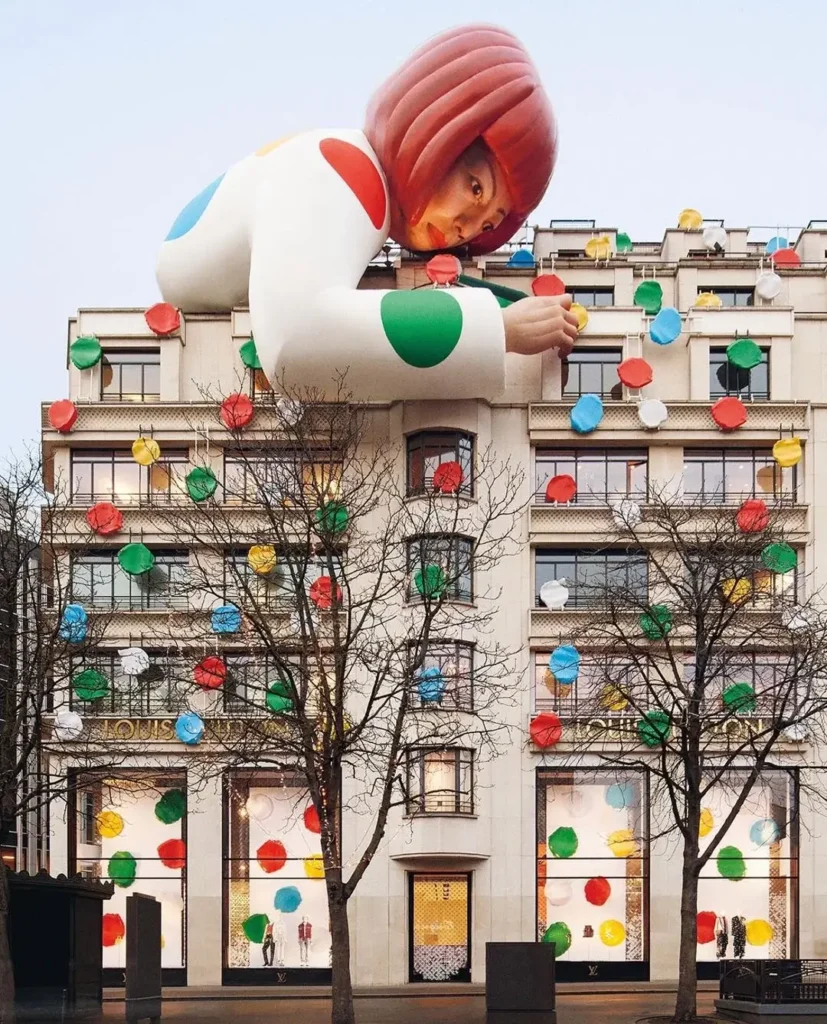
Installation Art is the style that breaks the frame on purpose. You do not stand at a respectful distance. You enter, crouch, circle, sometimes wait in line for a timed slot.
Kusama’s infinity rooms are the popular example, but the logic is broader: scale, light, repetition, and your body as part of the score. If a work only works in photos, I question whether it is installation or marketing.
Sculpture that you walk around and negotiate
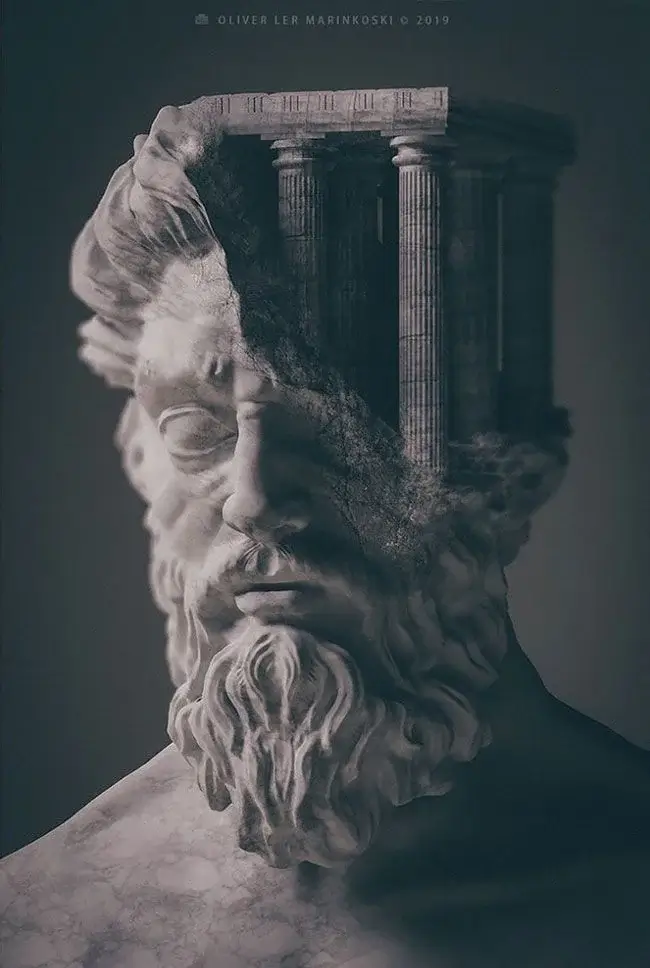
Contemporary sculpture is not only bronze monuments. It can be fragile, temporary, industrial, or deliberately awkward in a plaza.
I like walking sculpture with people who are new to it, because they notice that viewing angle changes meaning. A piece that feels gentle from the front can feel aggressive from behind. For more examples in three dimensions, see our contemporary art sculpture guide.
Earth and Land Art that refuses the white cube
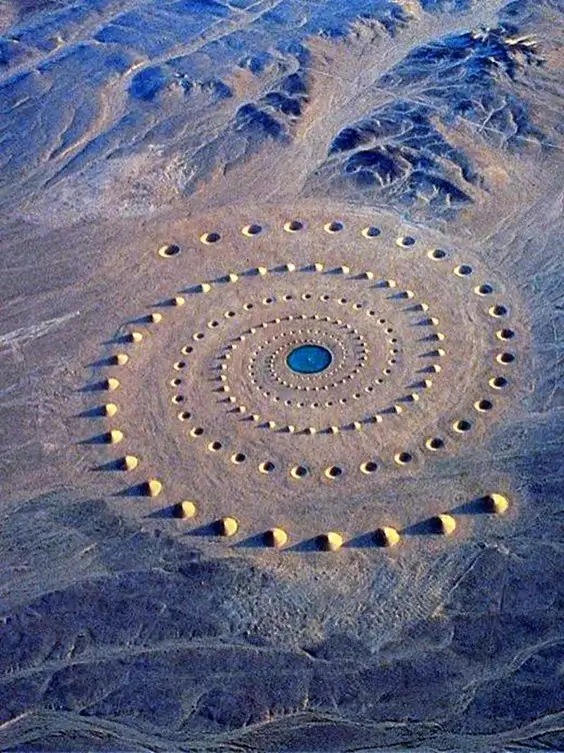
Earth Art, often called Land Art, moves the gallery to deserts, fields, and coastlines. Spiral Jetty is the textbook image, but the style is bigger than one famous photograph.
Weather, erosion, and permission become collaborators. I mention this style when readers ask whether contemporary art must be indoors. It does not. It must be intentional about place.
Digital and video art as time-based style
Digital and video practices are not a footnote anymore. Generative work, AR layers, and looped video pieces belong on the same map as painting.
The style question here is time. Still images arrest a moment. Video argues across seconds. I watch how artists handle loops: does the repeat feel meditative or trapped? That distinction separates decoration from argument.
Styles and Tendencies Shaping Art Now
The twelve lenses above include the postwar roots. These are the tendencies I keep meeting when the show is actually current.
Digital and new media
Tate’s Fluxus page lists Nam June Paik among the artists who treated the screen as an instrument in the 1960s. Start there, then use the digital section above for the question I actually care about: whether a loop feels calm or trapped.
Installation and immersive rooms
Tate traces installation to environments Allan Kaprow made from about 1957. The public version now is the room you queue for. Kusama’s infinity rooms, already on this page, are that example. She died in August 2026. The rooms are still what people mean when they say immersive.
Socially engaged work
Theaster Gates was born in 1973 in Chicago, where he still lives and works. White Cube describes a practice of sculpture, archives, and buildings: Civil Tapestry, made from decommissioned fire hose, and projects such as the Stony Island Arts Bank, a vacant building turned into a place people gather. The artwork includes the room it keeps open.
New figuration
Salman Toor, born in 1983 in Lahore and based in New York, paints small social rooms. The Whitney showed How Will I Know in 2020 to 2021. Tschabalala Self, born in 1990 in Harlem, builds figures from sewn, printed, and painted fabric. Lady in Blue went up on London’s Fourth Plinth on September 10, 2026, and stays through 2028. The body is back, and it is not a return to the academy nude.
Eco-art, still tied to land
Tate puts land art in the 1960s and 1970s. The examples I will stand on are Robert Smithson’s Spiral Jetty of 1970, built into the Great Salt Lake, and Richard Long walking a mark into the ground. Weather and permission are part of the piece. That is the test I use before I call anything eco-art.
How to choose which contemporary art styles to study first
If you are new, I would start with Pop Art and Installation Art because they train two different muscles: reading symbols in public life, and using your body in space. Then add Minimalism and Conceptual Art so you learn restraint and ideas. After that, follow curiosity, not a checklist.
When a style feels confusing, I ask what the artist wants from my attention. Emotion, analysis, spectacle, silence? The answer maps faster than memorizing dates. For artist names that anchor these movements today, pair this list with what is a contemporary artist and the living roster in our artists feature. Neighboring pages: modern and contemporary art, contemporary abstract art, and emerging contemporary surrealist artists.
FAQ
What are the main contemporary art styles?
Common contemporary art styles include Pop Art, Minimalism, Conceptual Art, Installation Art, Photorealism, Neo-Expressionism, Fluxus, Land Art, geometric abstraction, Abstract Expressionism, sculpture, and digital or video practices. Many artists mix them.
How is contemporary art different from modern art?
Modern art usually refers to roughly the late 19th century through the mid 20th century. Contemporary art refers to art made in our present era. Styles and debates overlap, but the time frames differ.
What is the most popular contemporary art style today?
There is no single winner. Pop and installation-based work travel well on social media, while conceptual and digital practices dominate academic discourse. Popularity depends on whether you mean museums, markets, or feeds.
Can one artwork belong to multiple styles?
Yes. Artists often combine styles, such as minimalist form with conceptual instructions, or pop imagery inside installation environments. Labels are tools, not cages.
Pick two styles from different sections of this list and compare one work from each. Notice what changes: distance to the work, speed of reading, and whether you need the wall label to care. That comparison sticks longer than memorizing twelve names.