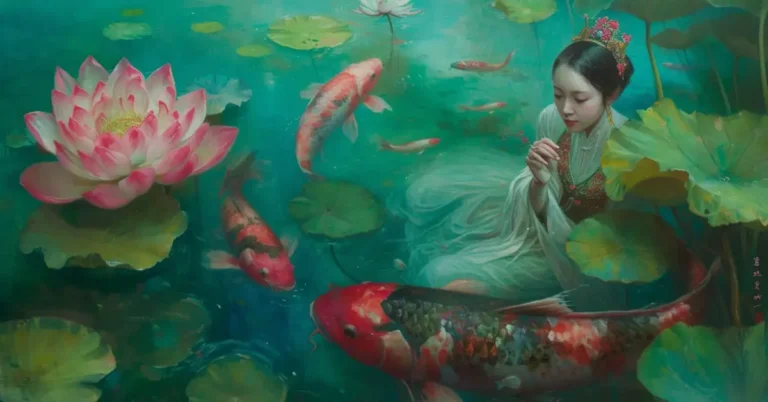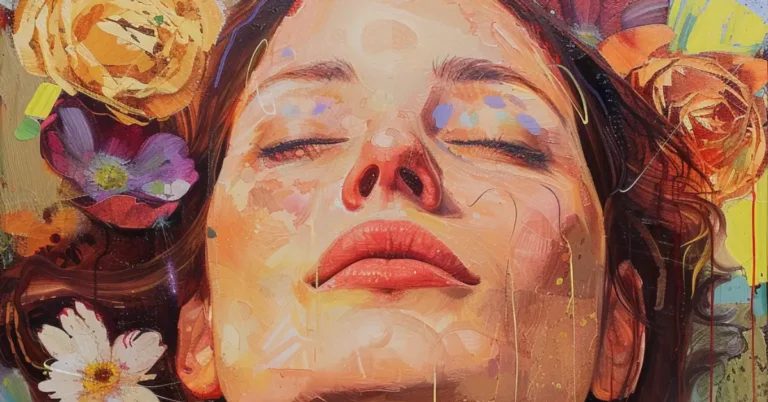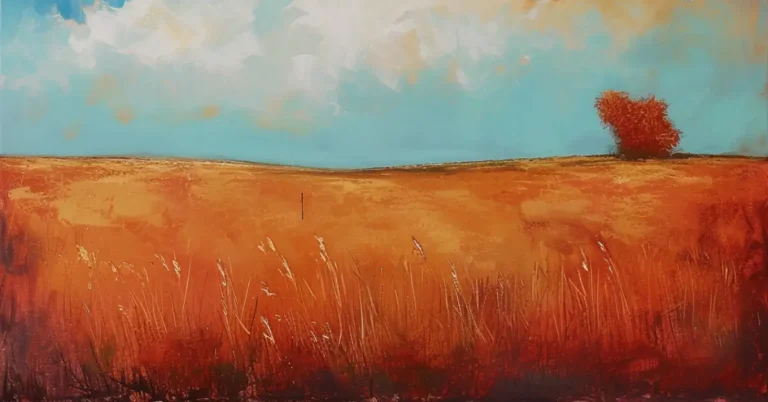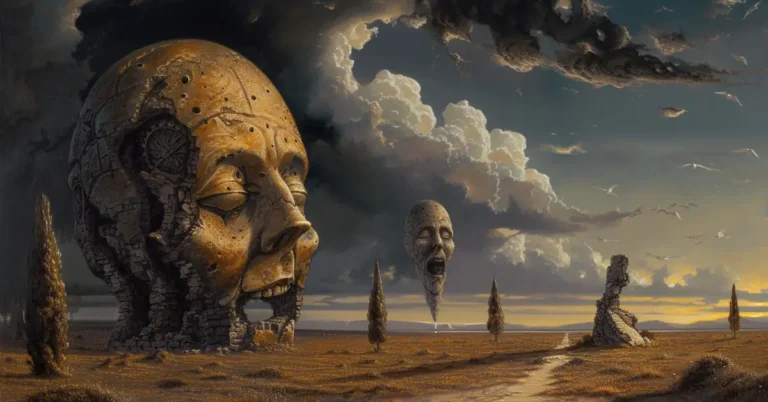

I keep a running list of contemporary artists of today on my desk, not because the art world needs another ranking post, but because readers keep asking where to start. This is my working version for 2026: twenty-five names, grouped by how they actually show up in conversation, with the images and context I wish I had when I first tried to tell contemporary apart from modern.
How I built this list of contemporary artists of today
When people search for contemporary artists of today, they usually want a starting map, not a textbook. I treat this list that way. These are names I return to when I need to explain what “contemporary” looks like in studios, museums, and public space right now.
I am not claiming a single objective ranking. I weighted living artists, recent museum presence, auction and social visibility, and whether their work still sparks argument in 2026. A few figures here died decades ago but still set the grammar younger artists use. I say that openly so the list stays honest. If you want a tighter definition first, read what a contemporary artist actually is on Culturizm, then come back to the names.
I also cross-check medium-specific lists when I am writing. contemporary watercolor artists and emerging surrealist painters answer different questions than this overview. Same keyword family, different entry points.
Names you will see in headlines and queue lines
Yayoi Kusama and the room that pulls you in
Kusama is the rare artist whose work reads on a phone screen and still hits hard in person. Her infinity rooms turn repetition into physical space. I saw crowds wait an hour for two minutes inside one installation in New York and nobody complained. That tells me how much appetite still exists for shared spectacle done with discipline.
Politically, her career spans censorship in Japan, New York poverty, and late-life global fame. If you are building a personal canon of contemporary artists of today, start here when you want proof that obsession, not shock alone, can carry a lifetime body of work.
Banksy and the joke that refuses to stay small
Banksy matters because he kept street logic inside blue-chip rooms without sanding off the bite. The shredded auction stunt is still the clearest lesson I know on how contemporary art markets perform their own drama. Whether you call it vandalism or marketing, it changed what collectors expect from a “event” sale.
I do not treat anonymity as mystique for its own sake. I treat it as a working method that lets the image travel faster than the biography. That is why he stays on a list of artists shaping conversation now, not only memory.
Damien Hirst and the question of whether spectacle ages
Hirst is still the name people bring up when they want to argue about money in art. Spot paintings, formaldehyde vitrines, the Venice comeback: the work is uneven, but the provocation is consistent. I keep him here because students still react, often strongly, the first time they see a cabinet piece in a survey class.
If you dislike the brand energy, that reaction is still data. Contemporary art is not only quiet contemplation. Sometimes it is a dare with a price tag attached.
Jeff Koons and the mirror held up to taste
Koons is easy to mock and hard to ignore. Balloon dogs, stainless steel flowers, the deliberate cheer of surfaces that should feel cheap but cost millions. I read him as a stress test for sincerity. When a work looks like a toy and sells like a house, the viewer has to decide what “value” even means.
You do not have to love the output to learn from the position he carved out. He made kitsch negotiable in museums that still pretend to hate kitsch.
Takashi Murakami and the collapse between gallery and cartoon
Murakami trained in Nihonga and then built Superflat as a theory, not only a look. I notice how younger illustrators cite him without knowing the academic roots. That is influence. His Louis Vuitton collaborations also showed how contemporary artists can move through fashion without automatically becoming “sellouts,” though the line is always debated.
If your entry to Japanese contemporary work is anime-adjacent, Murakami is the bridge backward to craft history and forward to pop saturation.
Painters who stretch what a canvas can carry
Jenny Saville and flesh as a public argument
Saville paints bodies with a scale that makes polite gallery distance impossible. I remember standing close to a triptych and feeling the brushstrokes as pressure, not decoration. Her work belongs on this list because figuration is not retro here. It is a live fight about gender, medical imaging, and who gets to occupy space on a wall.
For a deeper lane on women in the field, pair this entry with our contemporary female artists guide.
Gerhard Richter and the blur between record and memory
Richter moves from photorealist blur to squeegee abstractions without asking permission to be consistent. I find that useful pedagogically: students stop hunting for a single “style” and start thinking in series. The candle paintings and the September reflection works show how German historical weight can enter a room without a lecture slide.
He is older, yes. He still sets the temperature for how many younger painters treat photography as source material rather than enemy.
Anselm Kiefer and history as physical weight
Kiefer builds paintings that behave like ruins. Straw, lead, ash, broken architecture. Walking past them feels like inventorying damage. I include him because contemporary art discourse still circles back to trauma, nation, and myth, and he never pretends those themes are lightweight.
If you want landscape as a parallel vocabulary, our contemporary landscape artists list covers a different angle on place and scale.
Mark Bradford and the city as collage material
Bradford pulls signage, paper, and urban residue into surfaces that feel like maps overheated. I like teaching him next to abstract painters who never leave the studio. He shows how social structure can be material, not only subject matter typed in a wall label.
His museum footprint in the U.S. and Europe stayed strong through the 2010s and 2020s, which is one reason I still file him under artists shaping today’s conversation, not only the 2008 moment.
Edward Ruscha and the American readymade word
Ruscha made language sit on canvas like an object you could park next to. Gas stations, jokes, horizon lines. The dryness is strategic. I often assign him before Pop Art surveys because students understand quickly that conceptual wit does not require neon shouting.
He is a quiet anchor in this list: proof that contemporary art can whisper and still reset how you read images.
Photography, performance, and the politics of looking
Cindy Sherman and the self as a costume rack
Sherman’s Film Stills taught a generation to distrust the “natural” photograph. I still use her work when readers ask why representation matters in practical terms, not only in theory seminars. Each character feels specific enough to invent a backstory, which is why the series survives meme culture without losing bite.
Her later mural-scale work at the Met and other institutions pushed scale in a different direction: not bigger ego, but bigger question about who gets to occupy a facade. That shift is why I keep her in a 2026 list, not only for the 1970s stills everyone already knows.
Wolfgang Tillmans and the democracy of the snapshot
Tillmans treats club floors, fruit bowls, and newsprint with the same attention. I appreciate that moral stance: if everything can be photographed, hierarchy has to come from sequencing, not snobbery about subject matter. His installations in museum rooms that feel like bedrooms changed how curators present photography beyond the white mat.
When he turned to abstract chemigram-like prints, some fans shrugged. I did not. It felt like the same curiosity applied to process instead of nightlife. For anyone building a camera-based practice now, that range is the lesson: subject matter is not the only engine.
Marina Abramović and the body as the instrument
Abramović turned endurance into syntax. The Artist Is Present reintroduced stillness as mass entertainment, which sounds ironic until you sat in the line. I do not recommend copying the risk level, but I do recommend studying how she makes time visible without a paintbrush.
Her collaboration and teaching work also shaped a generation of performance artists who now show in biennials without apologizing for the body as medium. Even if you never sit across from her in a chair, you have probably seen art that borrowed her clock.
Kara Walker and silhouette as confrontation
Walker’s cut-paper installations look charming until narrative detail lands. I have watched rooms go silent faster here than in front of louder work. She keeps history from becoming abstract moral language and forces specificity about race, power, and spectacle.
Her sugar sphinx and large drawing projects expanded the same vocabulary into industrial scale without softening the bite. If you are comparing contemporary artists of today who handle history without nostalgia, Walker is the benchmark I cite first.
Ai Weiwei and the studio that became a broadcast
Ai moved between porcelain sunflower seeds, architectural investigation, and straight activism without asking the art world for a separate permit. I include him because contemporary practice now routinely mixes installation, legal research, and social media, and he is an early case study in that fusion done at scale.
The sunflower seed carpet at Tate Modern is still the work I use when someone says contemporary art cannot be tactile and political at once. You could walk on it, debate labor, and photograph it, all in the same afternoon. That density of argument keeps him relevant.
Street energy, pop legacy, and studio provocation
Jean-Michel Basquiat and the crown that never quite fades
Basquiat died in 1988. I still list him because auction rooms, fashion collaborations, and student sketchbooks keep recycling his glyphs as if he were posting today. That is what “contemporary influence” means in practice: not only heartbeat, but living syntax.
Read his work alongside our famous contemporary artists roundup when you want a wider canon beyond this numbered set.
Keith Haring and public drawing as generosity
Haring also died young, yet subway drawings and advocacy imagery still circulate with surprising freshness. I mention him when readers confuse contemporary with “only born after 1980.” The lesson is lineage: public art as generosity, not only mural tourism.
His Pop Shop experiment also matters: he tried to sell affordable work without pretending the gallery system did not exist. Plenty of street artists today still navigate that same tension between access and exclusivity.
Tracey Emin and confession without polish
Emin’s tent and neon phrases split audiences between “too personal” and “finally honest.” I land on the second side for teaching purposes. Her work helps readers understand YBA energy without reducing it to shock headlines from the 1990s tabloids.
Her drawings and later neon installations keep returning to the same voice without feeling repetitive because the handwriting stays unstable. That instability is the point: confession as craft, not only diary spill.
Richard Prince and the rephotograph as argument
Prince forces copyright conversations artists now have weekly on Instagram. Cowboys, nurses, jokes stolen and reframed. I do not present him as a moral hero. I present him as a hinge: if authorship is blurry, what do collectors think they buy?
His Instagram-joke paintings and later series keep testing the same question in new media cycles. That is why I do not file him as a 1980s relic. He keeps pace with wherever images get stolen next.
Julian Schnabel and broken plates as theater
Schnabel’s plate paintings are loud, literal, and unapologetic about craft excess. They matter because maximalism keeps returning every decade under a new name. When minimalism fatigue hits, students often rediscover him through film and painting at once.
His second act as a filmmaker also shaped how painters get discussed in pop culture, for better and worse. I mention that because contemporary artists today often juggle cinema, fashion, and canvas without treating it as a side hobby.
Scale, light, and studios working globally
Anish Kapoor and void as architecture
Cloud Gate in Chicago turned Kapoor into a household name, but his pigment void works are the sharper teaching tool. They make depth feel aggressive. I use them to explain how sculpture now competes with spectacle architecture in city branding.
The public fights over his Vantablack exclusivity also taught non-art audiences a new word for pigment. Love the drama or hate it, the dispute made studio material feel like front-page news.
Olafur Eliasson and weather inside the museum
Eliasson and his studio built artificial suns, rivers, and fog rooms that Instagram loves, yet the work holds up in person because perception, not only photo ops, is the point. Climate anxiety made his material research feel less like a gimmick and more like a necessary lab.
His studio team model also matters for how contemporary art gets produced now: research, prototypes, fabricators, public workshops. Young artists cite him when they want permission to think like a lab, not only like a solitary painter.
David Hockney and color as optimism with teeth
Hockney’s iPad drawings annoyed purists and delighted everyone else. I liked that friction. It showed a veteran painter testing tools in public instead of pretending youth from a distance. His Los Angeles pools still teach color temperature faster than most textbooks manage.
The multi-panel photo collages are the other pillar for me: they make time and viewpoint visible without CGI. If you only know the bright swimming pools, spend time with those joiners before you decide what Hockney is “about.”
Albert Oehlen and the ugly on purpose
Oehlen makes “bad painting” strategic. Glitches, printers, cartoon violence on canvas. I assign him when a reader thinks abstraction died with modernism. It did not. It just put on noisier clothes.
His recent shows with computer-assisted layers keep pushing the same joke: the hand is still present, but it is negotiating with software. That makes him a useful name when readers ask if AI ends painting. Oehlen treats the tool as another distorting mirror.
Zeng Fanzhi and the mask series as cultural pulse
Zeng’s crowded faces and thick hands captured China’s urban acceleration in a way reportage could not. I still reference the mask paintings when explaining how contemporary Asian markets influence global biennials, not as a footnote, but as a center of gravity.
His later landscape passages opened the brushwork again after the mask years, which keeps the career from freezing into one iconic image. I end the list here because his arc mirrors what this article argues: contemporary artists of today stay relevant by shifting series, not by repeating a single trick.
What defines contemporary art (without the textbook tone)
Contemporary art is work made by artists alive in our time, responding to tools and pressures we recognize: digital distribution, migration, climate, identity politics, and the speed of images. It is not one style. If you want a style map, our contemporary art styles guide does that job better than I can in a sidebar.
Four traits I return to when teaching: first, mediums mix freely (video, textile, code, food). Second, institutions are questioned, not only decorated. Third, the audience is often part of the work. Fourth, global exchange is default, not exotic add-on. When a piece feels confusing, I ask which of those four is doing the heavy lifting before I label it “not art.”
FAQ
What is contemporary art in the 21st century?
Contemporary art in the 21st century is art made now, in dialogue with present technology, politics, and global exchange. It is defined more by time period and questions asked than by one visual style.
What is art made now called?
Art made in the present is commonly called contemporary art when it engages current materials, debates, and audiences. Modern art usually refers to an earlier historical period, even though people mix the terms in conversation.
Is digital art contemporary art?
Yes. Digital art is contemporary when artists use current tools to respond to present culture. The medium does not make it less serious; the context and intent do the work.
How do you look at contemporary art?
Start with time and context: when was it made, for which space, and what question does it ask? Then decide how your body reacts before you hunt for a hidden meaning. Contemporary art rewards curiosity more than passwords.
If this list helped, pick one artist and follow a single thread for a week: one museum page, one interview, one work you can see live or in high-resolution video. That is how a ranking post turns into actual literacy. For ceramic-focused names next, browse contemporary ceramic artists on Culturizm.