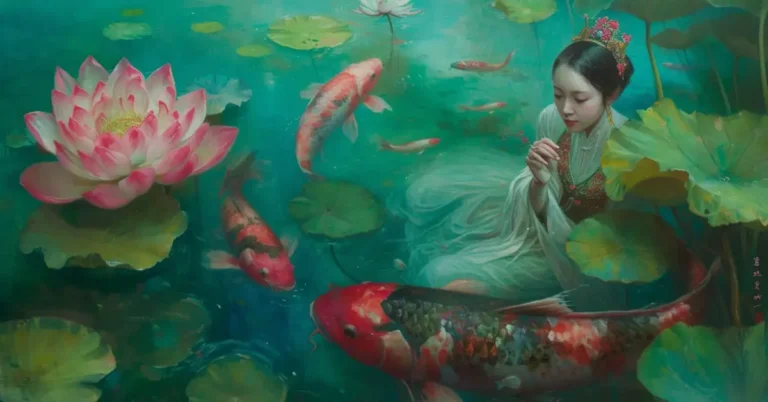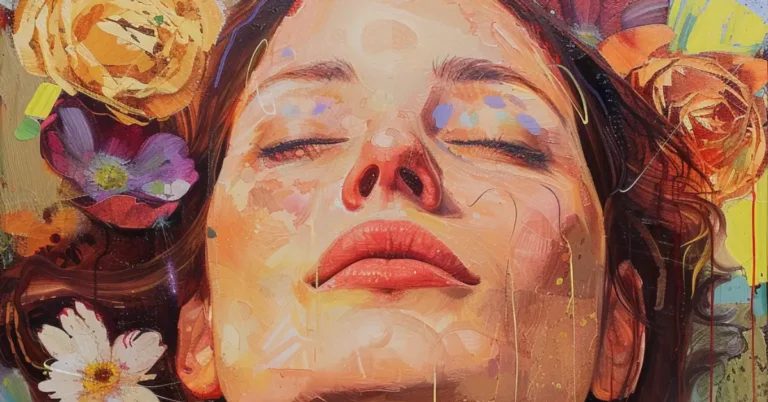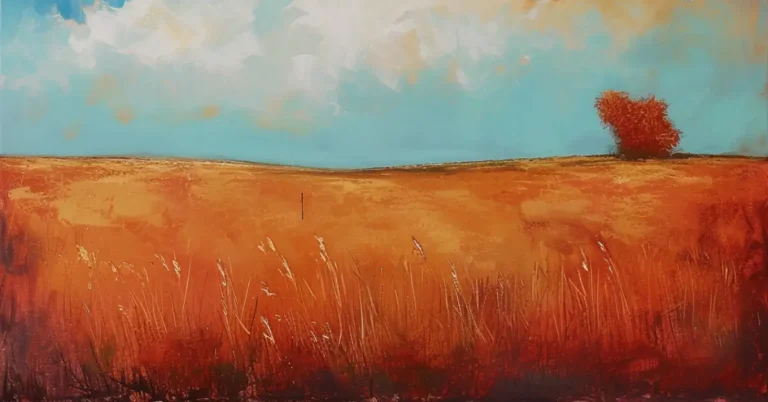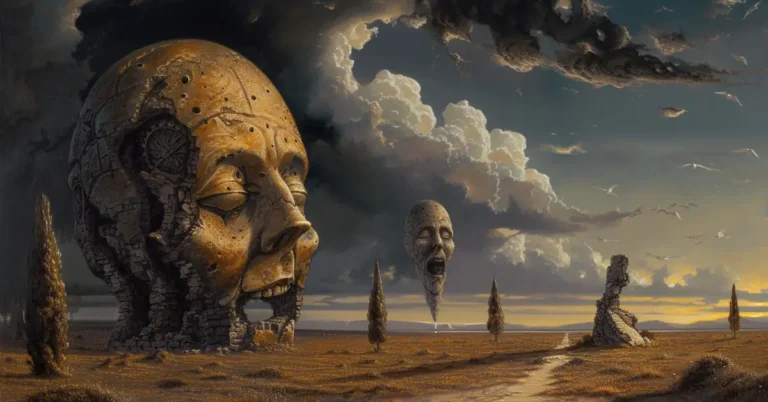

Watercolor looks easy until you watch someone do it well. When people search for contemporary watercolor artists, they want names that explain why the medium still matters in a feed full of digital gloss.
I built this list around eleven painters and hybrid makers whose work I would actually stop scrolling for. Not a museum syllabus. A working map. If you want the bigger contemporary art roster first, start with contemporary artists of today and return here for watercolor-specific hunger.
I grouped them by what the paint is doing: city light, human faces, and experiments that bend the rules. Every image below is a Pinterest embed from the original gallery, now paired with editorial context instead of one-line captions. I also cut the old filler sections about generic techniques. If you want technique talk, watch the process in these artists’ feeds and steal one move at a time.
Before the names: contemporary watercolor is not one technique. It is timing, water ratio, and paper grain. Our contemporary art styles guide helps if you need vocabulary for how these painters sit inside wider movements.
When watercolor chases light, streets, and still objects
These four artists teach three different kinds of attention. Atmosphere, urban edges, and hyperreal patience. I open here because most readers land on watercolor through landscape photos before they ever buy a brush.
Prafull Sawant and the city at golden hour
Sawant is the reason I trust watercolor for architecture. His Mumbai scenes do not romanticize chaos. They organize it with light. I have stared at his work on a phone screen and still felt the humidity.
He belongs on any serious list of contemporary watercolor artists because he proves the medium can carry scale without turning into muddy abstraction. That is harder than it looks.
Luis Ruiz Padrón and the corner you walk past daily
Padrón paints ordinary streets with perspective discipline that illustration training often unlocks. I like his work when I am teaching someone to see depth in flat paper. The vanishing lines are calm, not showy.
Urban sketch culture borrows from painters like this even when the audience never learns the name. That hidden influence is how watercolor stays contemporary without shouting about it.
Felix Scheinberger and the ink-line grin
Scheinberger brings illustration nerve into watercolor pages. The color is bold, the line work is opinionated. I keep him near Padron because both artists respect the sketch, not only the finished salon piece.
If you are bored by polite botanical watercolor, start here. The work has jokes, and the jokes have structure.
Laurin McCracken and glass that fools the eye
McCracken pushes watercolor into hyperreal still life territory. Reflections, glass, metal: the kind of subject that makes beginners quit. I include him because craft excellence still builds authority in contemporary art conversations.
I once used his work in a talk about patience. Someone asked why not photograph the object instead. Fair question. The answer is hand decisions. You see the human filter in every edge.
Faces, bodies, and color that carries emotion
Don Bachardy and the portrait that will not flatter
Bachardy is a portrait painter first. Watercolor is his pressure gauge. The faces are not softened for social comfort. I respond to that honesty in a medium people still mistake for greeting cards.
Los Angeles art history runs through his career, but the online discovery path is simpler: you see one portrait and remember it. That retention is rare.
Liu Yi and the figure between East and West
Liu Yi balances classical figure attention with contemporary color choices. The women in his work feel observed, not posed for stock aesthetics.
I group him with Bachardy because both artists make watercolor carry psychological weight, not only decorative charm.
Valentina Verlato and heat in a thin wash
Verlato paints emotion without thick impasto. The intensity lives in temperature shifts and edge control. I find her work useful when someone says watercolor cannot handle passion.
It can. It just has to stop apologizing for being transparent.
Cecily Brown and the collision of figure and abstraction
Brown is not a watercolor-only artist, but her works on paper matter for this list. The figures dissolve and reappear like memory doing its job.
I would not hang her next to Sawant for technique lessons. I would hang her when the question is how far watercolor can lean into contemporary painting without losing its liquid identity.
Brown also reminds me that paper is not a lesser surface. Galleries treat works on paper as fragile. Viewers online treat them as instant. Both reactions miss how much decision fits in a single sheet.
When watercolor borrows glass, dream logic, and unease
Clay and watercolor share one studio truth: water decides the timeline. If you are cross-reading mediums, our contemporary ceramic artists list pairs well with this one.
Larry Bell and the surface that is not quite paper
Bell is the outlier here. He is known for glass and light installations as much as works on paper. I keep him because contemporary lists should admit hybrid careers.
His translucent surfaces teach watercolor painters to think about reflection, not only pigment. That crossover is underrated in online tutorials.
Blanca Álvarez and the dream you half remember
Álvarez builds soft worlds that feel like waking up inside a poem. The edges bleed with intention, not accident.
I reach for her work when I need to explain why watercolor still attracts illustrators and gallery painters at the same time.
Dima Rebus and the beautiful uncomfortable image
Rebus makes images that stick because they refuse comfort. The watercolor skin is smooth; the idea is not.
For a parallel lane in unsettled figuration, browse emerging contemporary surrealist artists after you finish this page. Different medium, similar nerve.
Pick two artists from different sections and compare how each uses white paper. That negative space is the real teacher. Lists of contemporary watercolor artists only help when you turn them into looking homework, not bookmark clutter.
My practical test: open three pins, mute the captions, and write one sentence about where the water was applied first. If you cannot tell, study Sawant or McCracken for control. If you can tell but the image still surprises you, study Rebus or Brown for intent. That split saves months of random tutorial hopping.
FAQ
What makes a watercolor artist contemporary?
A contemporary watercolor artist works in dialogue with present culture, materials, and audiences. The label follows time and intent more than a single technique such as wet-on-wet or dry brush.
Who are the best contemporary watercolor artists to study?
Study artists who match your goal: city light, portraits, hyperreal still life, or experimental narrative. This list is a starting map, not a final ranking. Depth on two names beats shallow familiarity with twenty.
Is watercolor still relevant in digital art culture?
Yes. Social feeds reward fast images, but watercolor still signals hand skill and material honesty. Many contemporary painters use both digital tools and traditional washes in separate bodies of work.
How do I start collecting or following watercolor artists?
Follow museum works on paper departments, biennial artist lists, and studio accounts that show process clips. Buy one catalog or print reproduction you can live with, then track how the artist handles light in three different series.