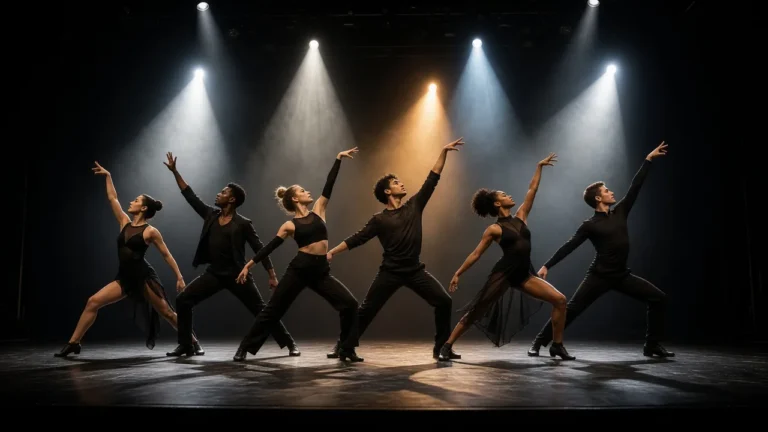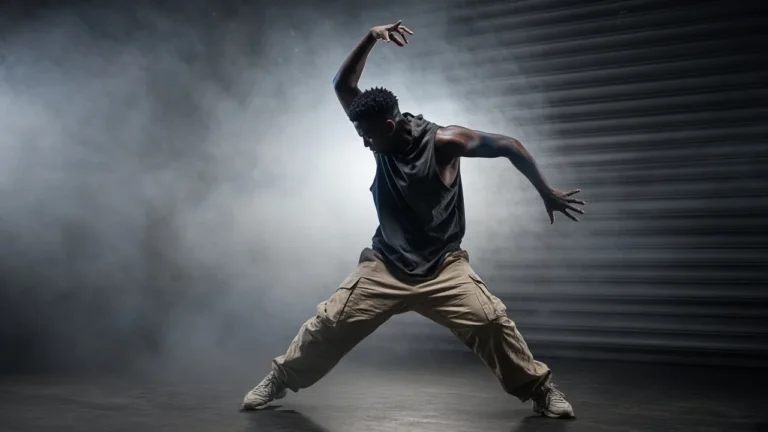

I used to treat a contemporary dance costume like a shopping list: black leotard, something floaty, done. Then I sat through a tech rehearsal in Chicago where three dancers wore almost the same silhouette, and only one look still felt intentional once the lights hit. That night is why I write about costumes the way I write about rooms. Shape first, drama second.
If you are casting, competing, or just trying to look like the music instead of a catalog page, start here. I am not selling a brand. I am telling you what holds up when someone actually jumps.
What Makes a Costume Read Contemporary
Contemporary sits between lyric softness and athletic clarity. Too much sparkle and you drift into competition pageant. Too much streetwear and you look like you forgot you were on a stage. The sweet spot is fabric that moves late, color that stays honest under LED wash, and seams that do not fight a floor work phrase.
When I talk with choreographers, the same three filters come up: Can they fall? Can the audience read the line from the back row? Does the outfit still make sense in the last eight counts? Ignore those and you get pretty photos that die in performance. For the musical side of that conversation, I keep returning to how tempo shapes clothing choices in contemporary dance music.
Clean Silhouettes I Keep Casting
These first looks are the ones I reach for when the phrase is about line, not costume theater. Less jewelry energy. More architecture.
Mesh Wrap Over Plum
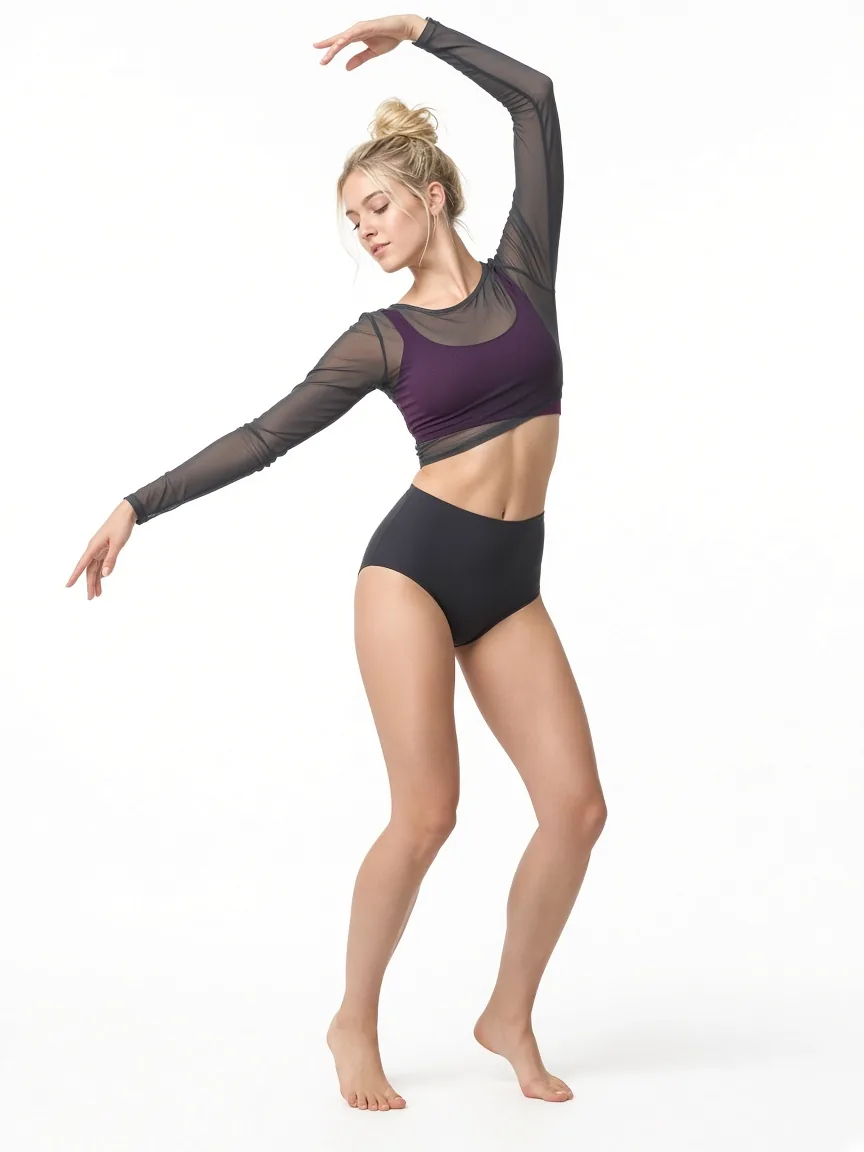
I like this when the choreography already does the talking. The charcoal wrap catches air without turning into a cape drama that steals the phrase.
The plum crop underneath keeps a warm note under cool stage light, which matters more than people admit. I once watched an all-black cast disappear into a navy cyc; a muted color break would have saved them.
If your dancer runs hot under lights, mesh sleeves help more than another layer of polyester. Pair it with half-soles and stop adding rhinestones “for competition.”
Dusty Rose In Motion
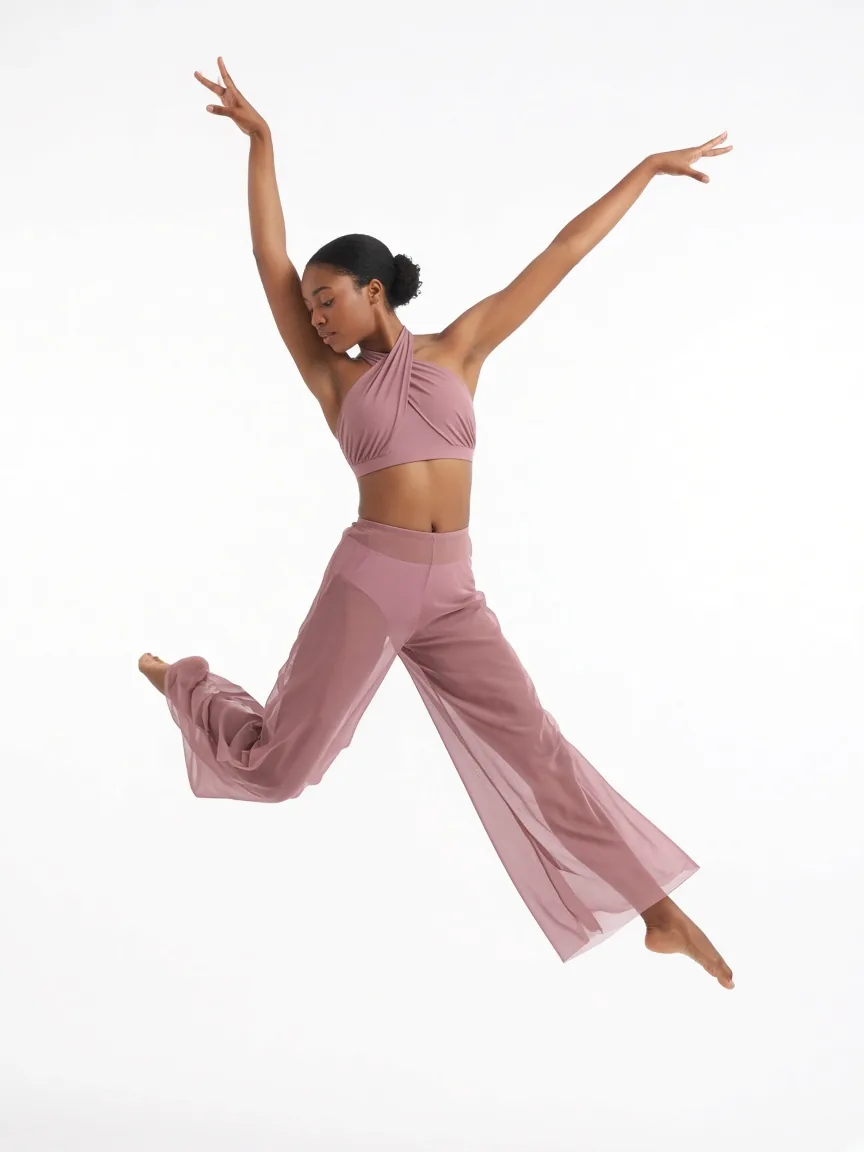
Wide flow trousers look risky until you see them land a jump. Then you get why contemporary keeps borrowing from fashion pants instead of only skirts.
The dusty rose reads softer than red and cleaner than beige under most LED plots. I would cast this for a mid-tempo phrase with a lot of directional changes, not a pure floor-work piece where fabric pools around the knees.
Keep the top structured. Floppy on top plus floppy below just looks unfinished, and unfinished is not the same as contemporary.
Cream Minimal Lunge
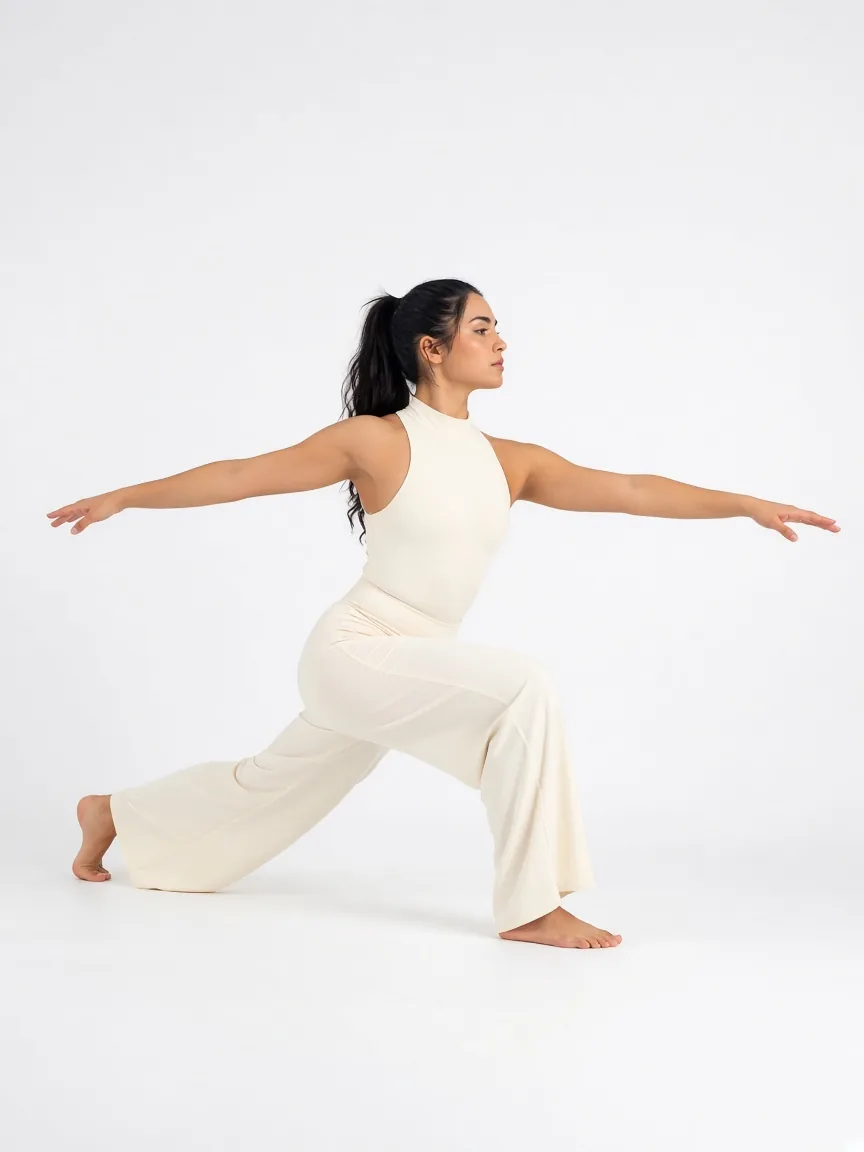
Cream on a white cyclorama is a flex. It only works if the cut is sharp and the dancer owns the negative space.
I use looks like this when I want the audience to notice elbows and breath, not applique. It is the costume equivalent of a quiet room with one good chair.
Watch the laundry. Cream shows everything. If your studio floors are sticky, this is not your Tuesday rehearsal set. Save it for the show that deserves the dry-cleaning receipt.
Skirt Logic Without the Pageant Energy
Skirts still belong in contemporary. The difference is whether the skirt is doing a job or auditioning for a tiara. Open fronts, long overlays, and soft maxis can all work if the underlayer stays athletic.
Navy Overskirt Line
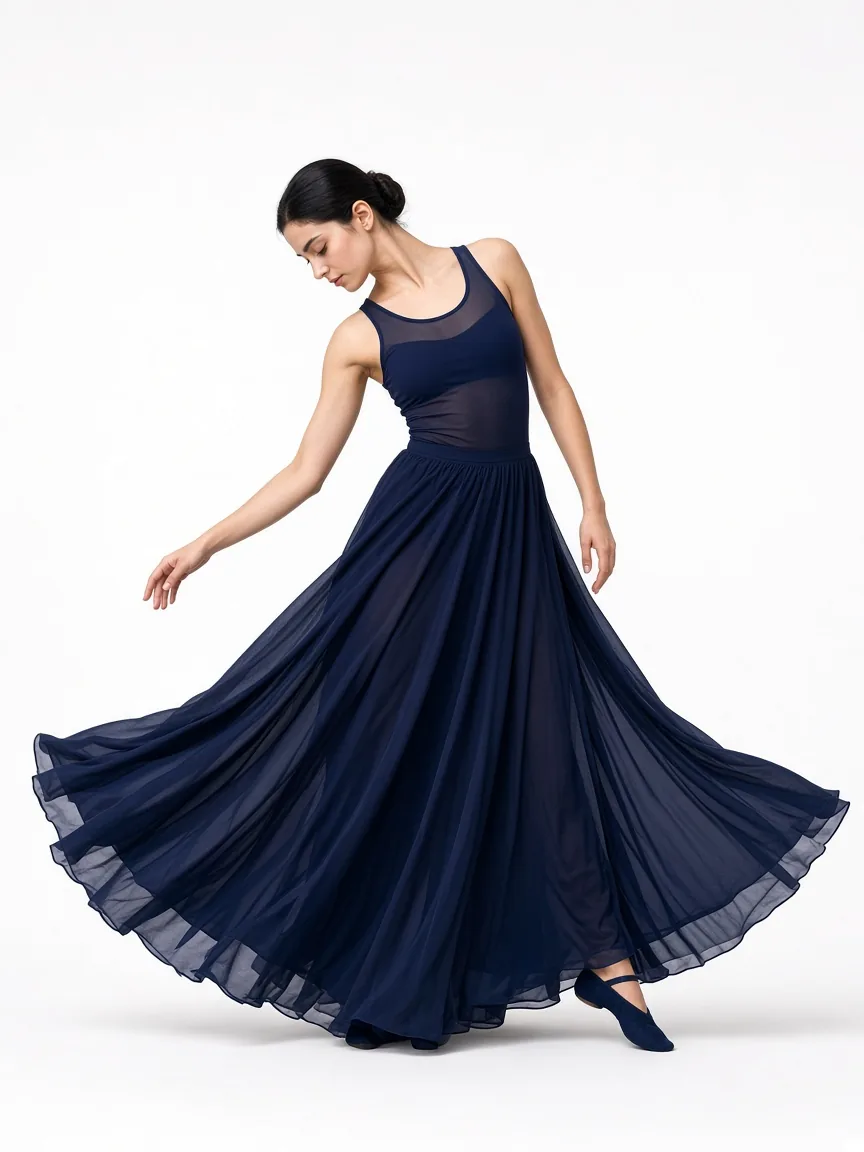
Navy is my default when black feels too harsh and jewel tones feel too storybook. This overskirt gives length without locking the hips.
I would put this on a tall dancer with a clean extension habit. Short dancers can wear it too, but hem length needs a real fitting, not a hopeful pin.
If you are coming from lyrical and want a sharper edge, swap blush for navy before you start adding slits for drama. Drama should come from the phrase. Related context lives in lyrical vs contemporary.
Champagne With Soft Open Front
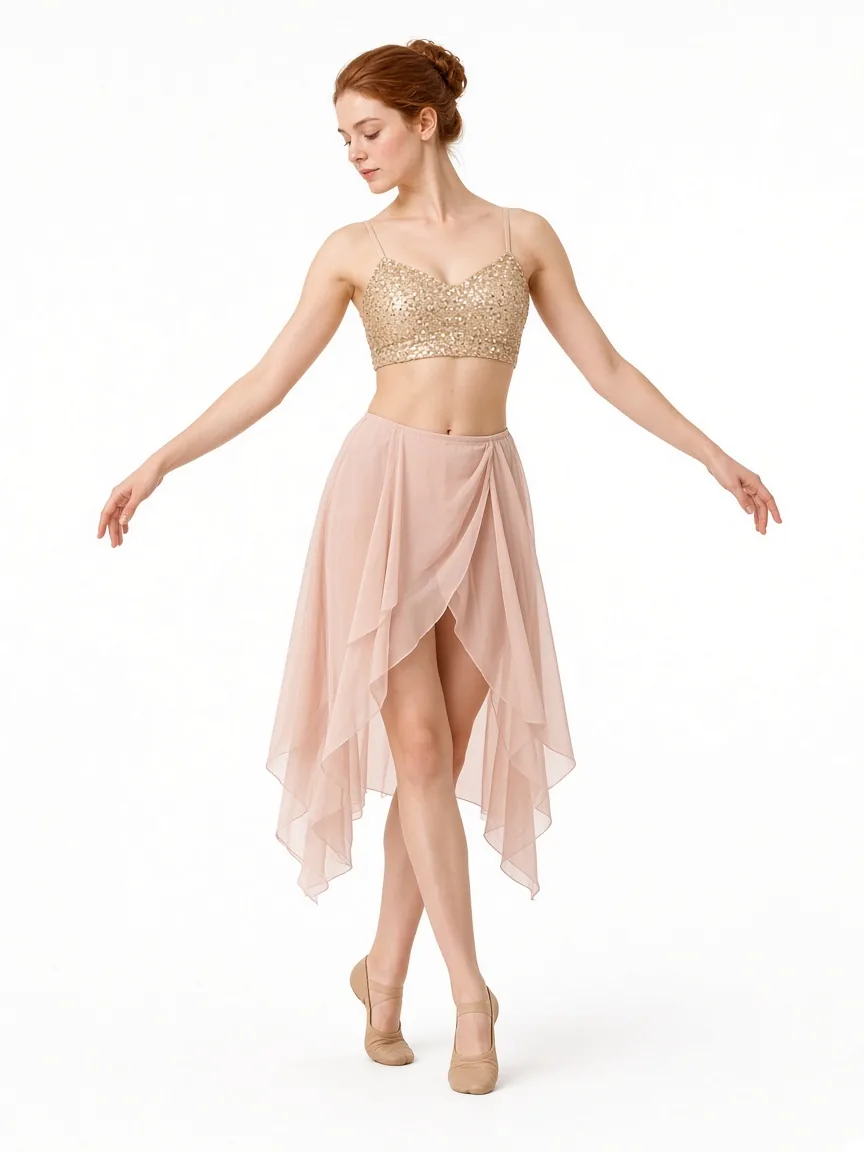
A little sparkle is fine when the rest of the look stays quiet. This champagne top catches light on turns without screaming pageant.
The open-front blush skirt is the part I care about. It frames the legs on a battement and still lets floor work happen without a fabric fight.
I would not stack this with heavy earrings. Let the top be the highlight and keep hair simple. Contemporary sparkle works best when it feels accidental.
Teal Ombre Maxi
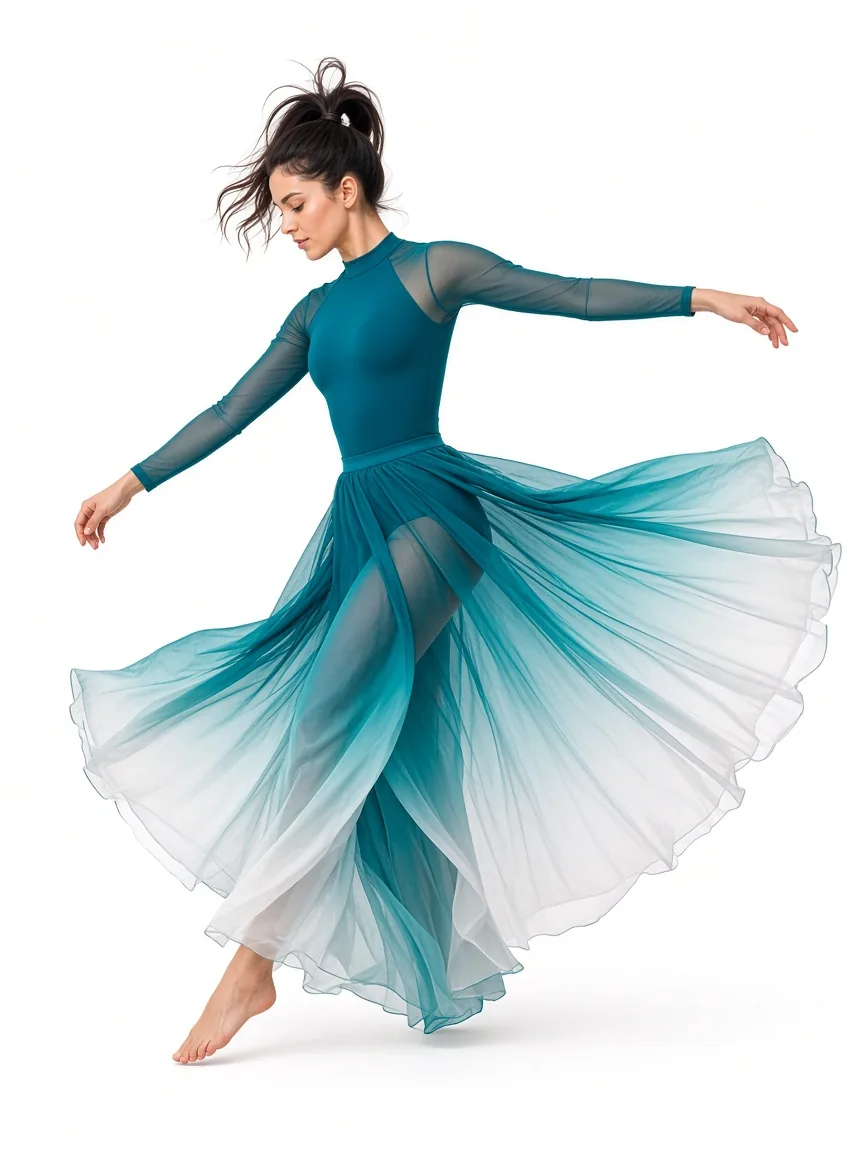
Ombre can look costume-shop cheap if the gradient is muddy. This teal-to-clear fade still feels designed, which is the whole game.
I cast ombre when the music has a slow burn. Fast syncopation fights a long skirt. Mid-tempo contemporary with sustained arms? Perfect.
Make sure the underlayer matches the darkest part of the fade. A mismatched brief color turns into a visual glitch the second the dancer hits a second position plie.
Texture, Back Lines, and Soft Color
Once the silhouette is honest, texture becomes the personality. Velvet, mesh panels, open backs, and muted pinks are how contemporary stays interesting without turning into a parade float.
Emerald Velvet Leotard
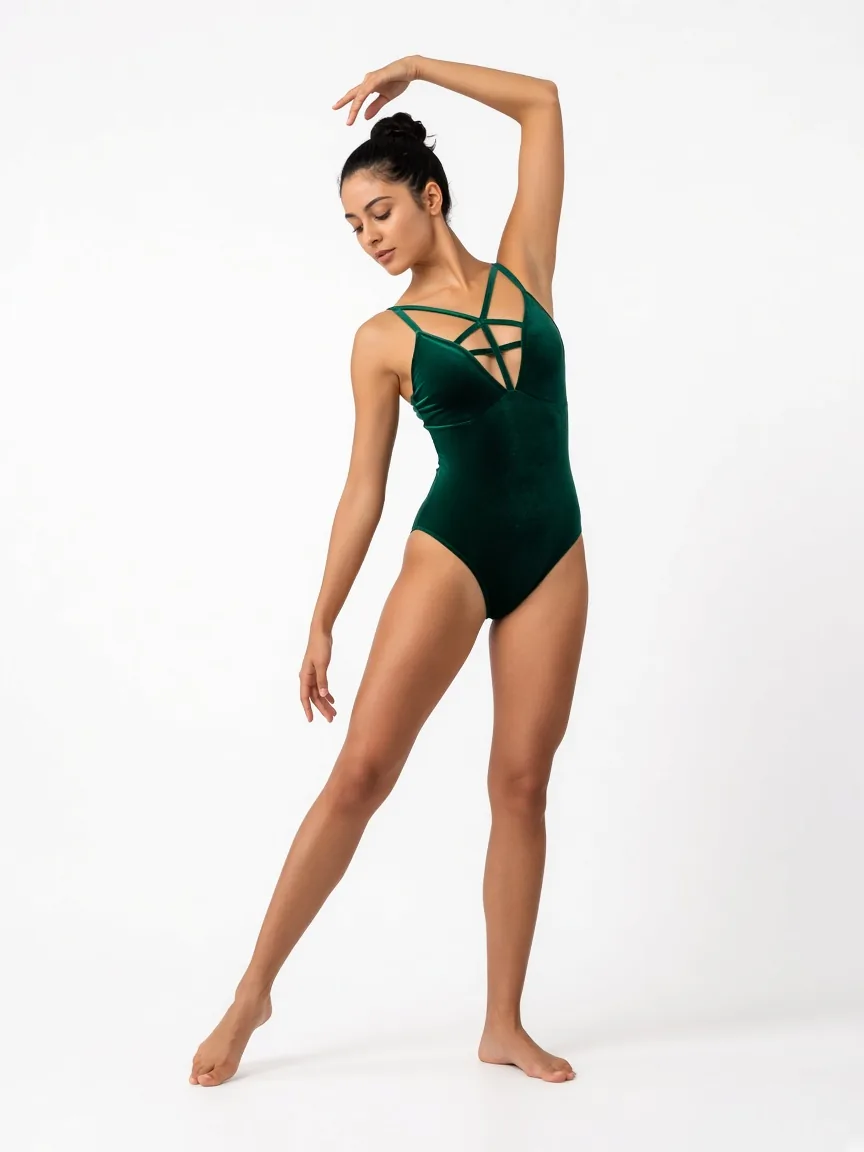
Velvet under side light is almost unfair. It drinks shadow and still looks expensive in a phone video, which matters for festivals that live online afterward.
Cage straps across the midriff give just enough architecture so the look does not flatten into a plain unitard. I would keep bottoms simple: matching trunks or soft shorts, nothing busy.
Skip velvet if your venue is a sauna. Beautiful fabric that soaks sweat into dark patches is a bad trade. Save it for theaters with real HVAC.
Dusty Rose Romantic
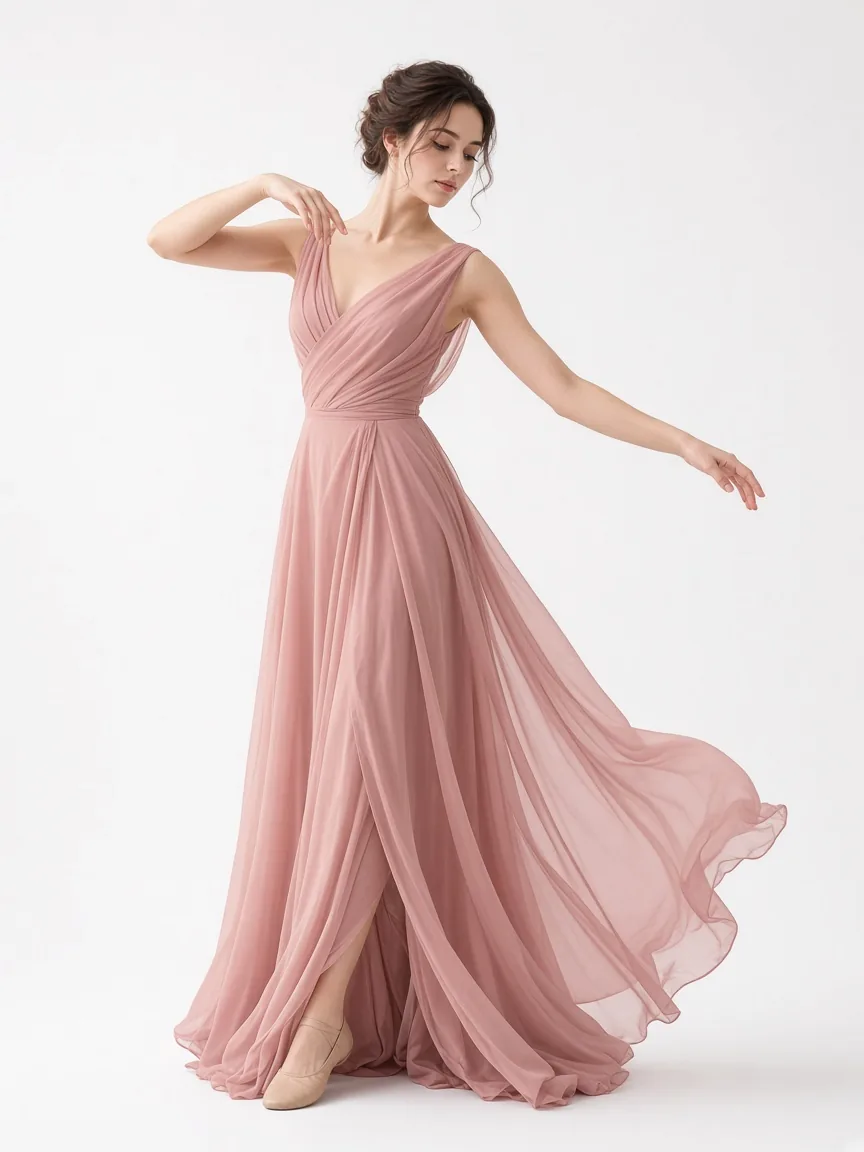
Yes, this is the softest look in the set, and yes, I still like it. Contemporary does not have to apologize for romance if the dancing stays grounded.
I would cast this for a duet with a lot of weight sharing, not for a hard athletic solo. The dress wants sustained phrases and clear partnering.
If your company is allergic to “pretty,” use it once and let the dancers prove that soft clothes can still hit. That tension is interesting. Fighting the costume the whole piece is not.
Charcoal Mesh Panels
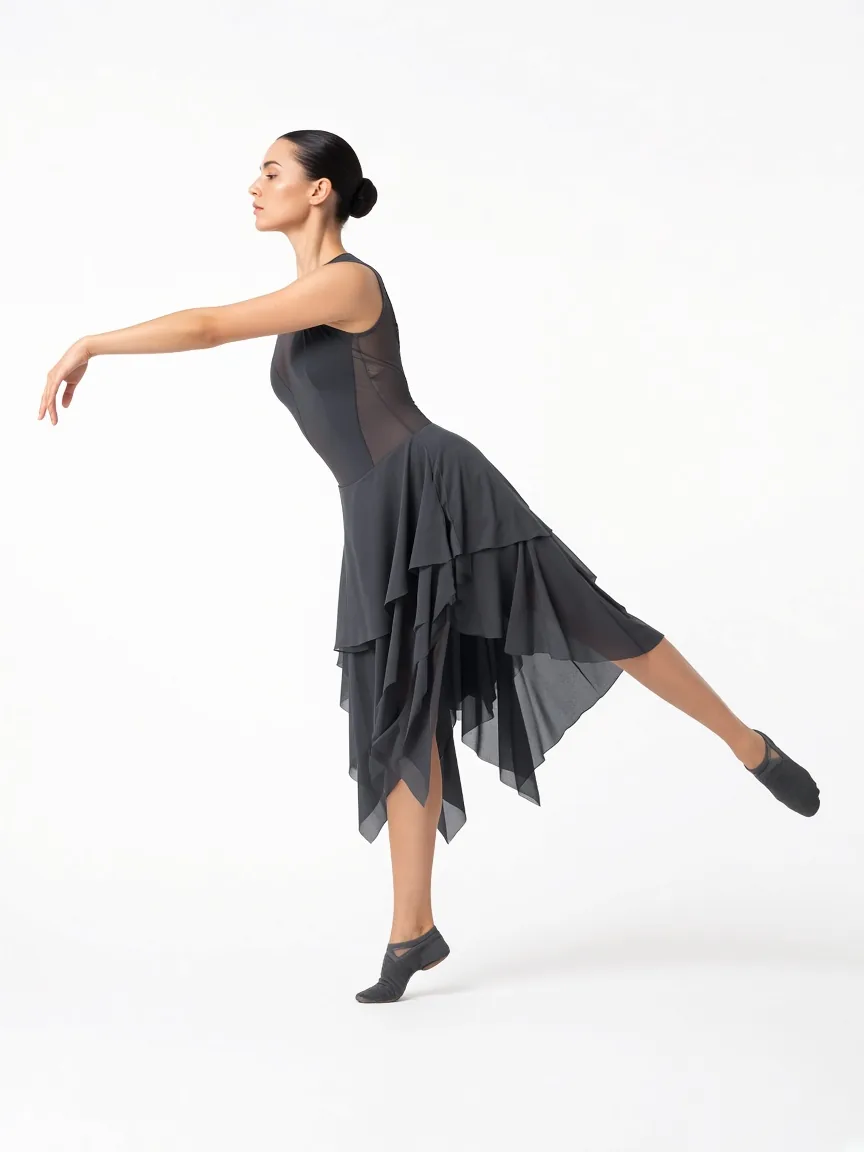
Mesh insets are how you keep a dress from looking like a black bag. The panels break the surface so motion reads from far away.
I like charcoal more than pure black here because it separates from shadow on a dark stage. Tiny difference, big payoff in video.
This is also a good bridge for dancers coming out of jazz vocabulary. If that is your lane, the movement conversation continues in contemporary jazz dance.
Pastel Ombre Floor Length
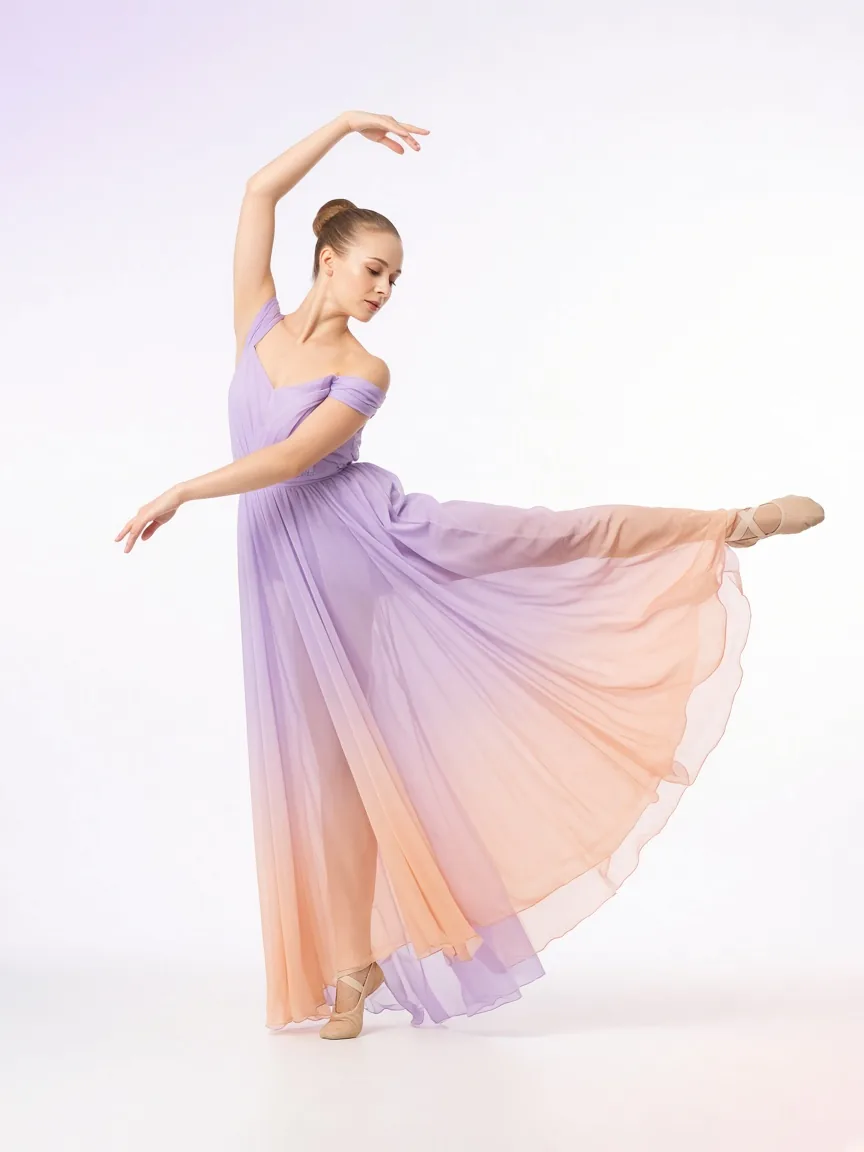
Pastels scare some directors because they can look juvenile. Done right, they look modern and a little cool, especially under warm front light.
Floor length only works if the dancer can clear the hem without thinking. Rehearse in the skirt early. First time onstage is too late to discover a trip risk.
I would pair this with almost no jewelry and clean makeup. The gradient is already the statement.
Open Back Black
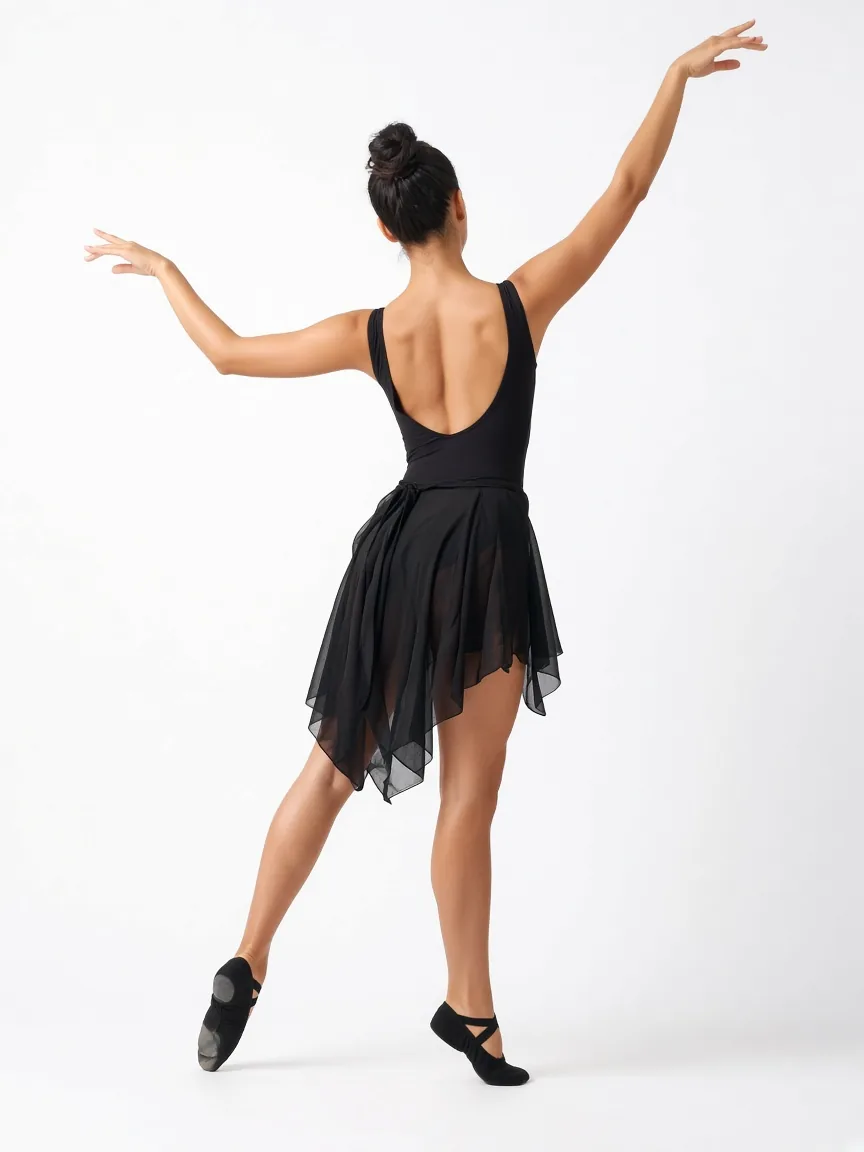
An open back is free drama if the dancer has a strong scapular line. If they do not, it just looks unfinished. Be honest about that in casting.
Black keeps the focus on the cut. I like this when the phrase lives in the upper body and the audience sits close enough to notice breath.
Tape and undergarments need a plan. Nothing kills a beautiful back line like a visible bra strap that was “fine in rehearsal lighting.”
Blush Nude Soft Set
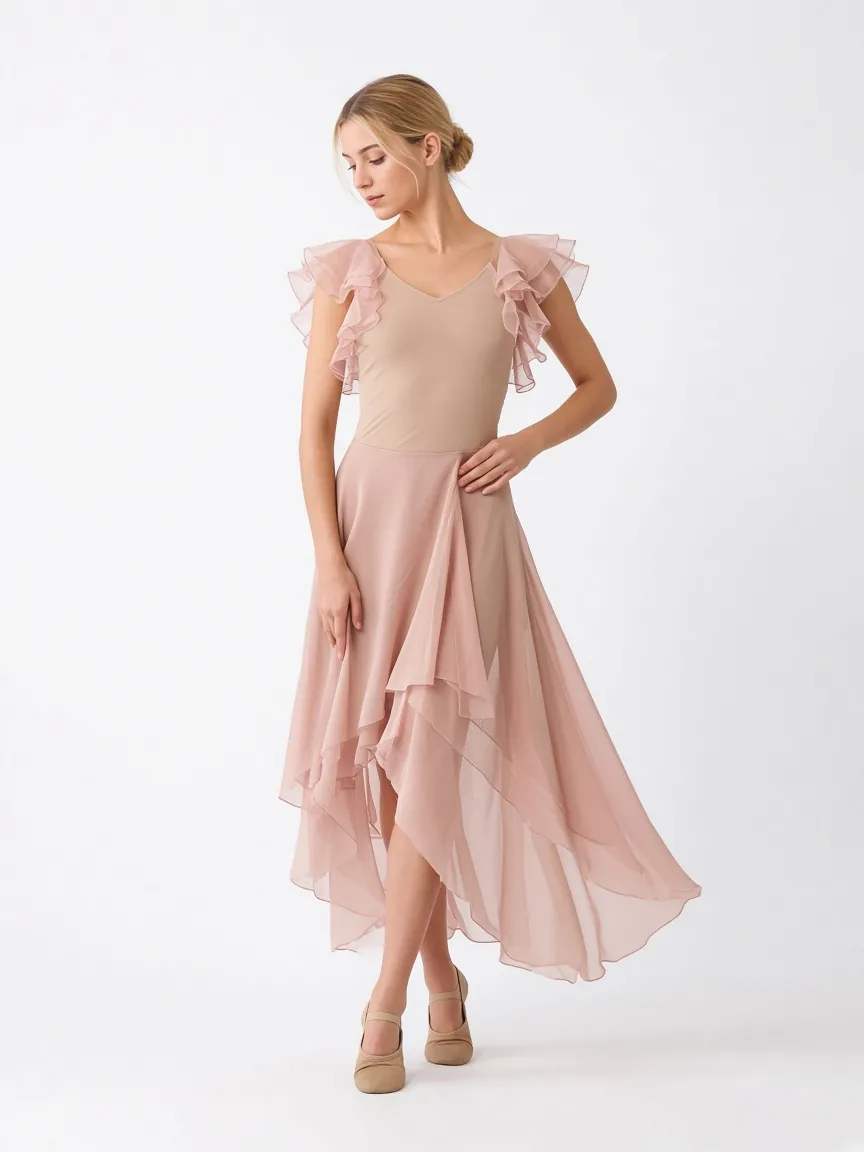
Neutrals and blush are underrated for contemporary because they photograph softly and still read live. This set feels like rehearsal clothes that got invited to the show.
I would use it for a piece about intimacy or fatigue, not for a high-kick showcase. The costume should match the emotional temperature.
If your palette is already warm, this blends the cast. If everyone else is in jewel tones, one dancer in blush becomes a quiet focal point. Both strategies work. Pick on purpose.
How I Actually Choose for a Cast
I start with the phrase, not the pin board. If the movement is mostly floor work, I cut maxi length first. If the lighting plot is harsh white, I avoid pure cream unless the cut is perfect. If the dancers came up through hip hop pathways, I leave room for sneakers energy even inside a contemporary frame. That crossover is real, and I wrote about the movement side in contemporary hip hop dance.
Then I check three practical things: washability, backstage change time, and whether the costume still looks intentional after twenty minutes of sweat. Pretty is easy. Durable and readable is the job.
Last rule: one hero detail per look. Mesh wrap or ombre or open back. Not all three. Contemporary audiences are smart. They notice when a costume is trying too hard.
FAQ
What should I look for in a contemporary dance costume?
Prioritize range of motion, fabric that still looks intentional under stage light, and one clear design idea. If the piece is athletic, keep hems short or split. If it is lyrical-leaning, soft overlays can work as long as the underlayer stays secure.
Are skirts still used in contemporary dance?
Yes, when they serve the phrase. Open-front overlays and soft maxis are common. The difference from competition lyrical is restraint: fewer rhinestones, cleaner color, and a fit that survives floor work.
What colors work best on stage?
Navy, charcoal, jewel tones, and muted blush tend to read better than pure black in dark theaters. Cream and pastels can look modern, but they need sharp cuts and clean floors. Always test under the actual plot.
How is contemporary costume different from lyrical?
Contemporary usually looks more architectural and less ornamented. Lyrical often leans softer and more romantic. Plenty of dancers cross the line, but if everything sparkles, you have drifted out of contemporary territory.