
Lists of Black contemporary artists go wrong in two ways: they flatten living practices into a checklist, or they treat the work as a diversity module instead of art that changes how rooms and museums feel.
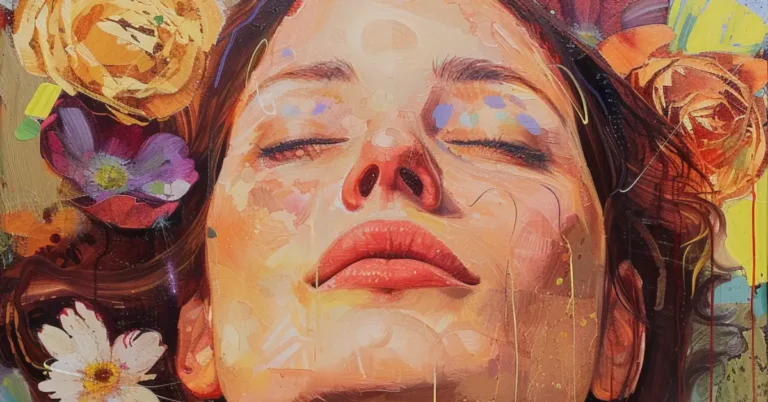
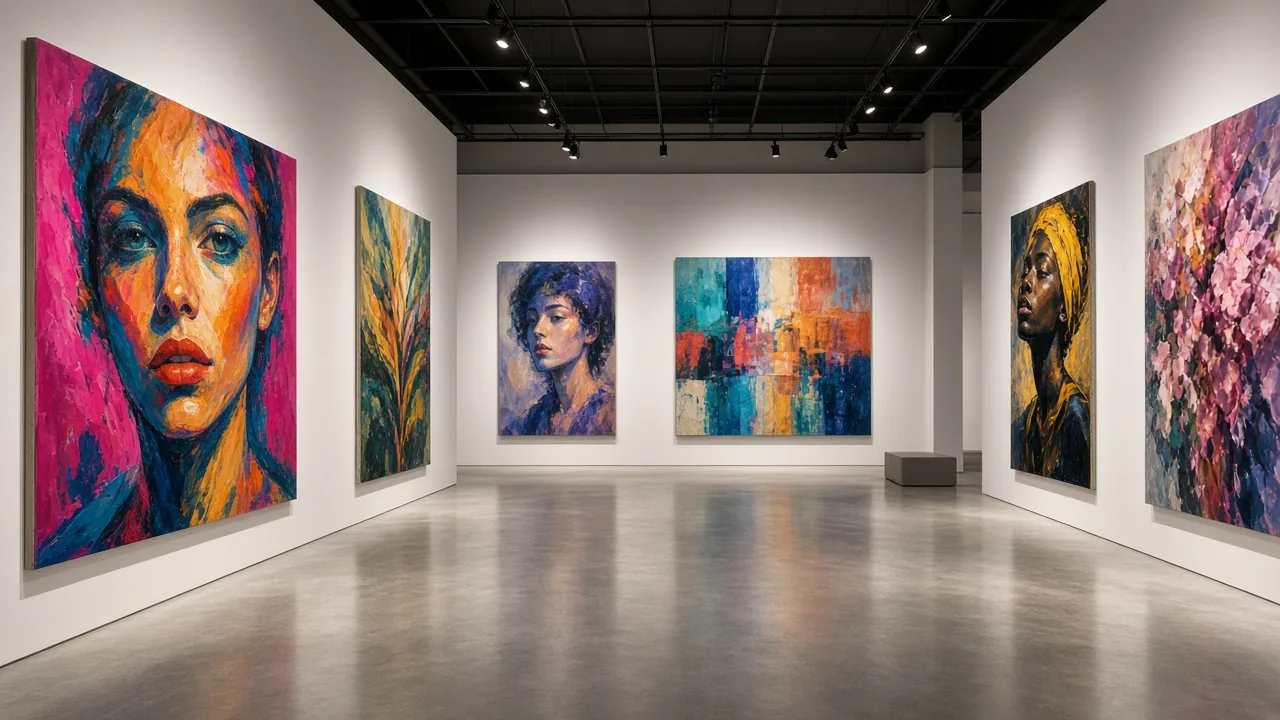
I am writing this as a reader who wants entry points, not a curator pretending to settle the canon. The images below are original compositions made for this piece. They are not reproductions of specific famous works. Use them as mood, then go look at the real artists in person or in serious catalogs.
If you want a wider map first, contemporary art styles and contemporary Black art sit next to this conversation without replacing it.
History, Ornament, Domestic Light
These first three moods track artists who make you confront narrative, portraiture, and the politics of looking.
Silhouette Wall Force
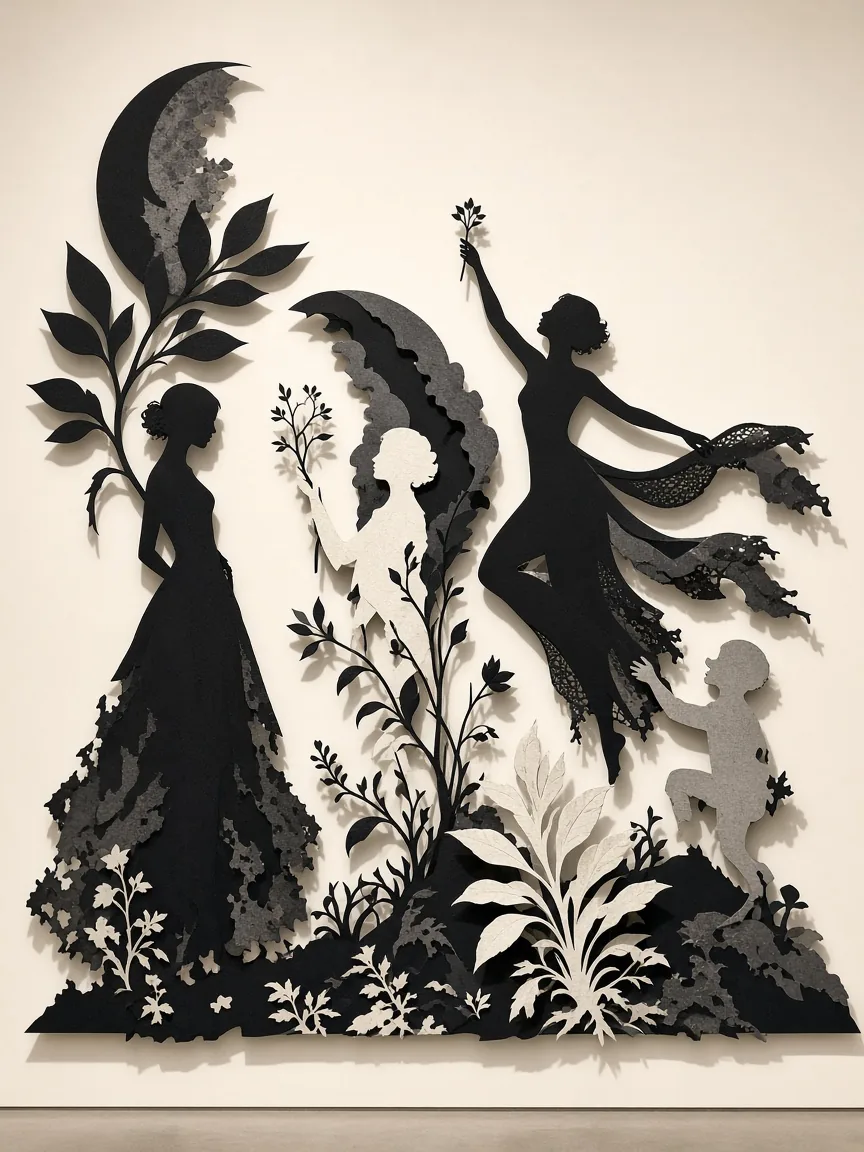
A cut-paper silhouette mural in a white gallery is the kind of visual force that makes viewers slow down whether they planned to or not.
When people talk about Kara Walker, they are often talking about that collision of beauty and historical violence in silhouette form. The point is not decoration. It is pressure.
I would not hang a soft knockoff of that language at home as ‘pretty black shapes.’ Context matters. In a museum, the format still hits hard.
Floral Portrait Power
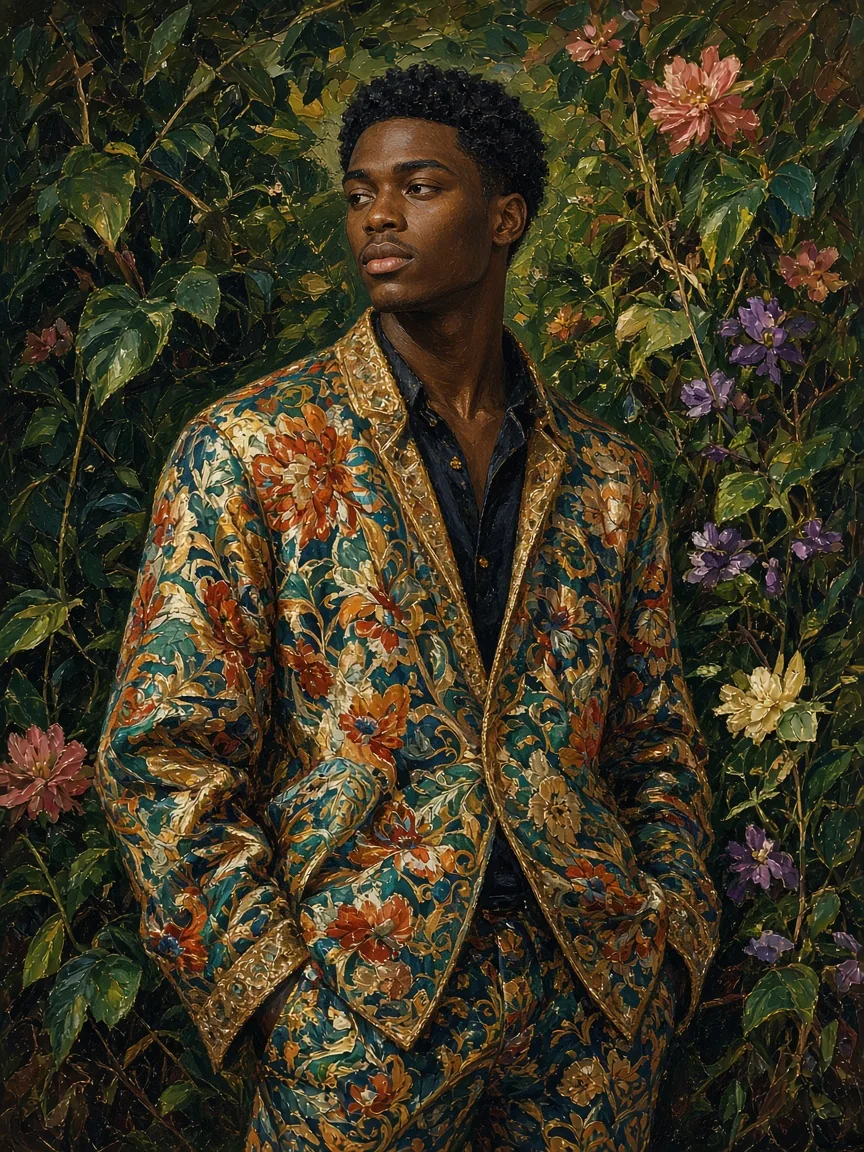
A young Black man painted in ornate floral clothing against botanical pattern is a contemporary portrait strategy that refuses quiet background status.
Kehinde Wiley made that vocabulary widely visible: monumental pose, decorative field, subject who owns the frame. The lesson for viewers is attention, not costume cosplay.
In a living room, one strong patterned portrait beats a wall of tiny prints fighting for air.
Kitchen Table Witness
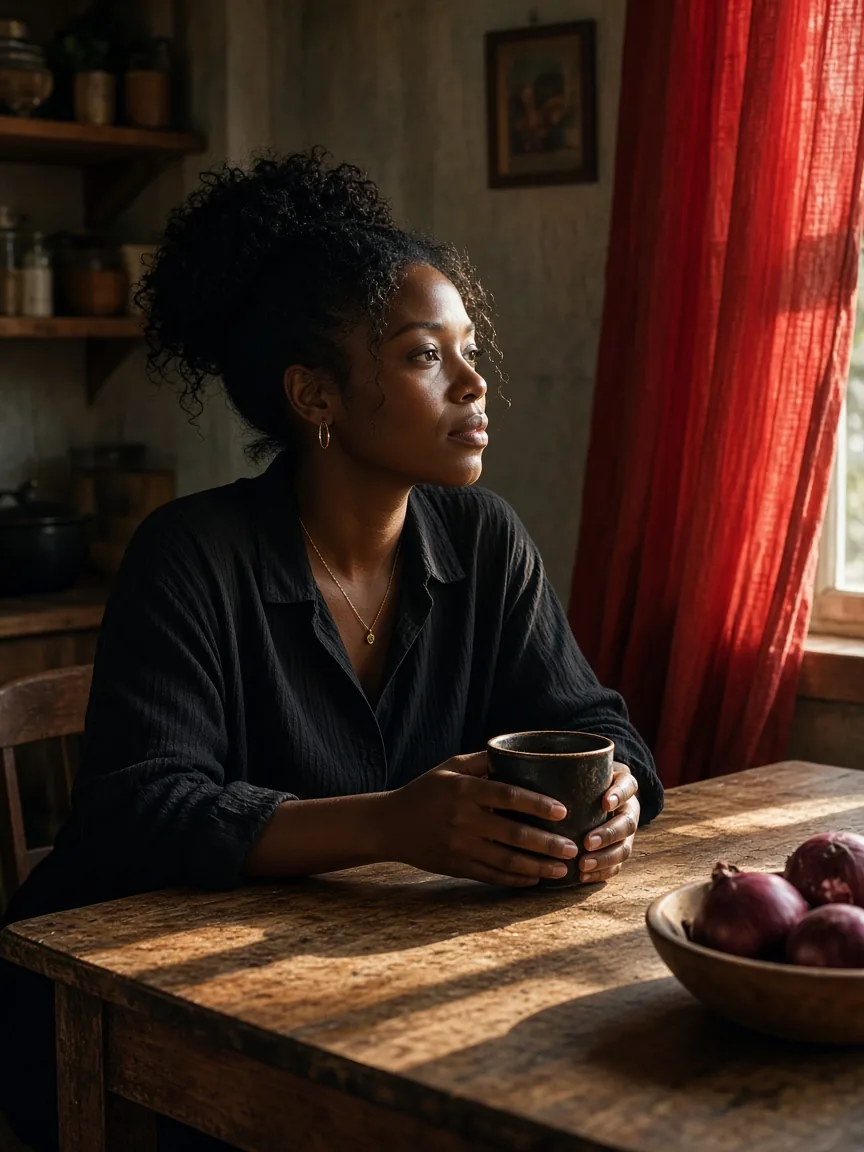
A woman at a kitchen table under hard side light feels closer to documentary theater than to fashion photography.
Carrie Mae Weems taught a generation that domestic space can carry institutional critique. The table is never just a table.
I keep returning to work like this when people ask for ‘pretty art’ and I want them to ask better questions.
Glamour, Layers, Crop, Cloth
The next cluster is about surface, intimacy, and craft as serious contemporary language.
Rhinestone Collage Glam
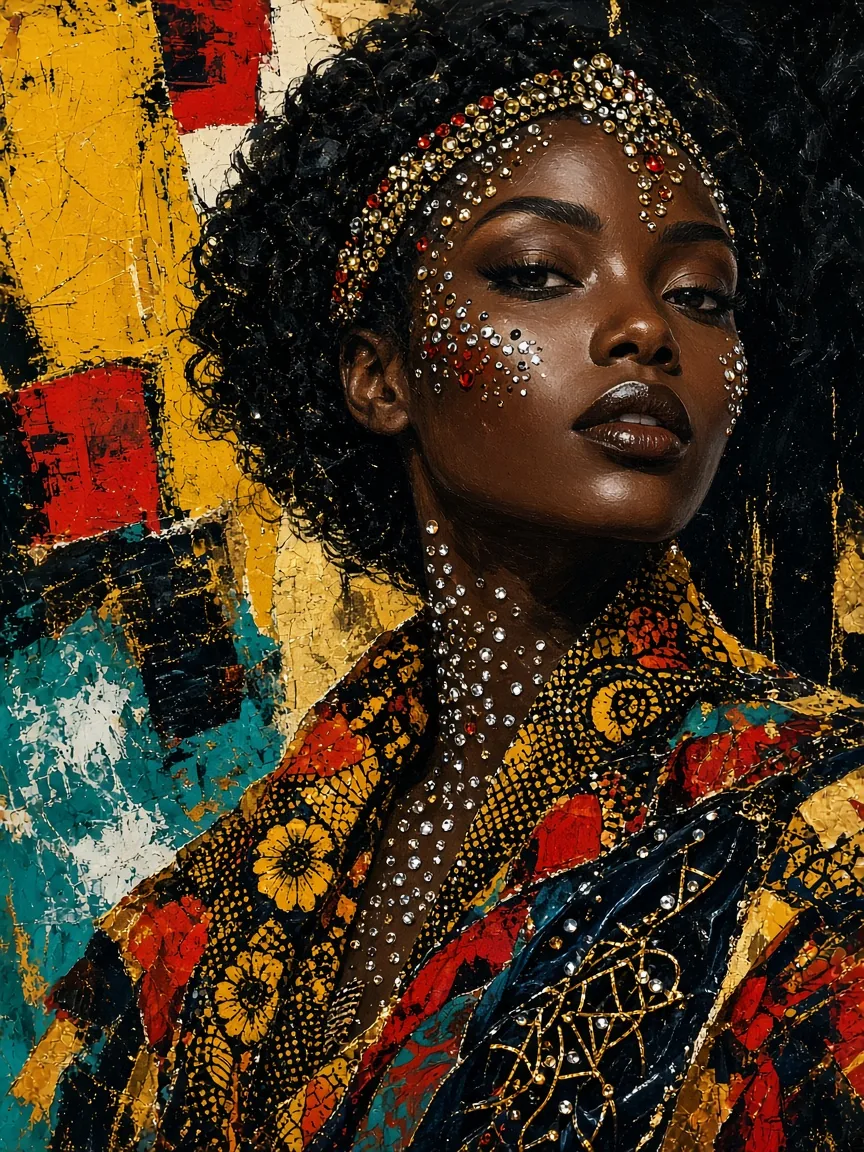
Rhinestones, pattern, and collage energy make glamour feel constructed instead of accidental. That construction is the art.
Mickalene Thomas is the name most people reach for when this look enters the conversation: beauty as assembly, desire as design problem.
Hang work in this register where light can catch texture. Flat LED wash kills the sparkle logic.
Layered Domestic Pattern
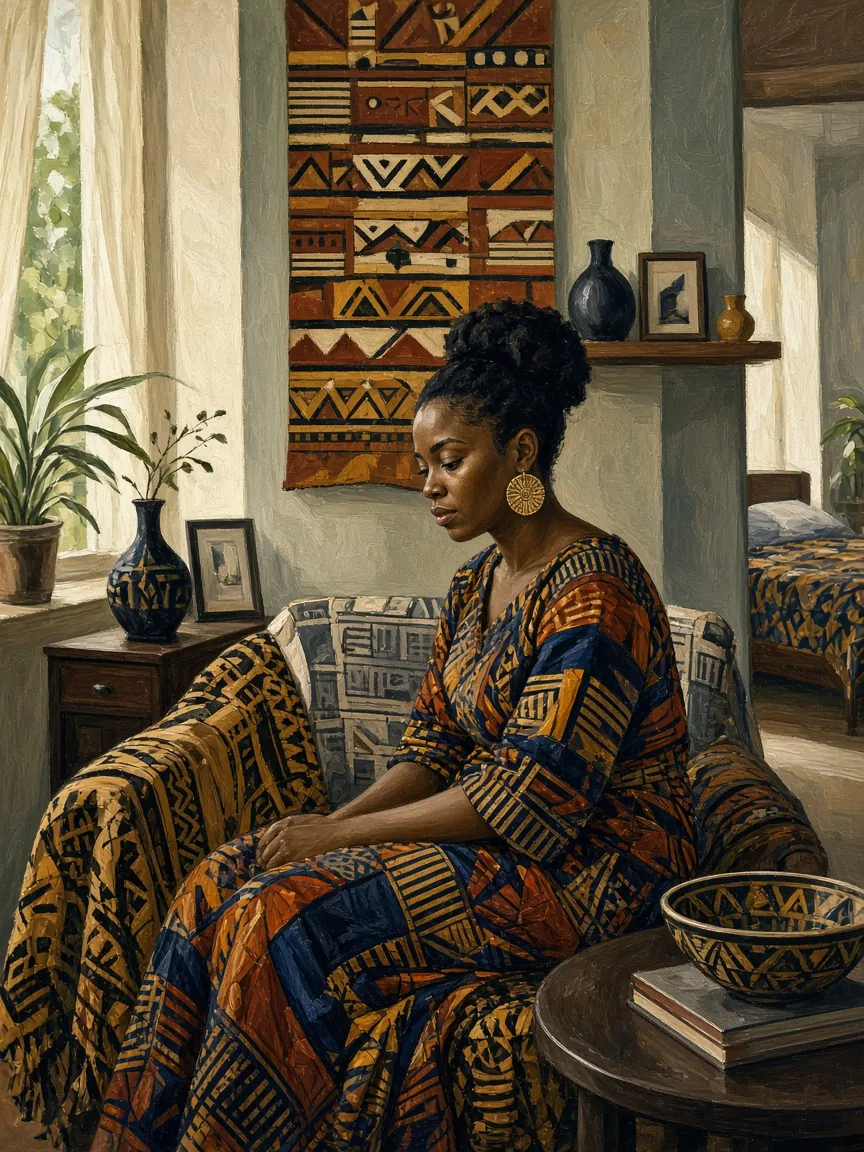
Layered interiors with textile pattern and a quiet figure feel like memory stacked on memory. You do not get a single clean read.
Njideka Akunyili Crosby is often discussed for that density: photo transfers, Nigerian and Western domestic cues, space that refuses to be only one place.
This is the contemporary mode I recommend when someone is tired of empty minimalism pretending to be depth.
Conceptual Crop Study
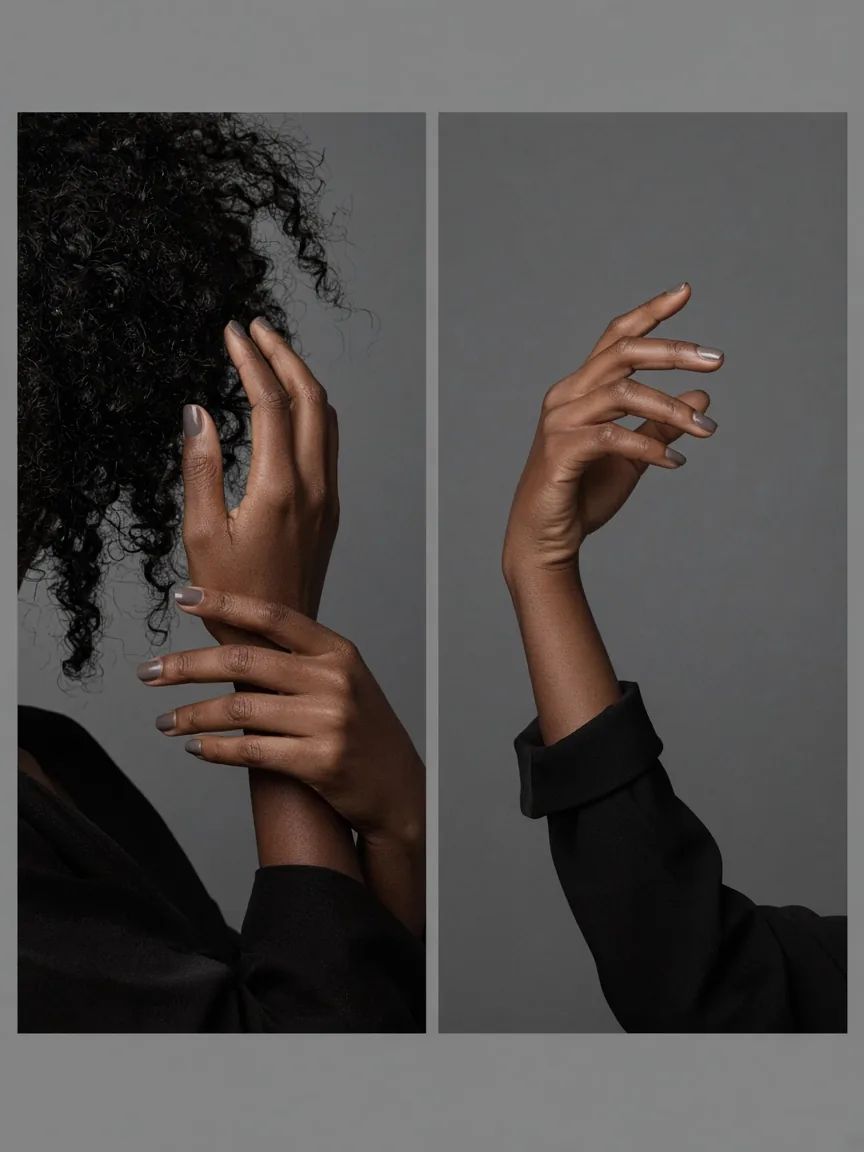
Cropped studies of hair and hands against gray ground make identity feel precise without needing a full face for permission.
Lorna Simpson’s conceptual photography helped normalize that strategy: fragment as full statement.
In a hallway, a quiet conceptual piece can outlast a louder painting because it does not exhaust itself on first glance.
Textile Quilt Portrait
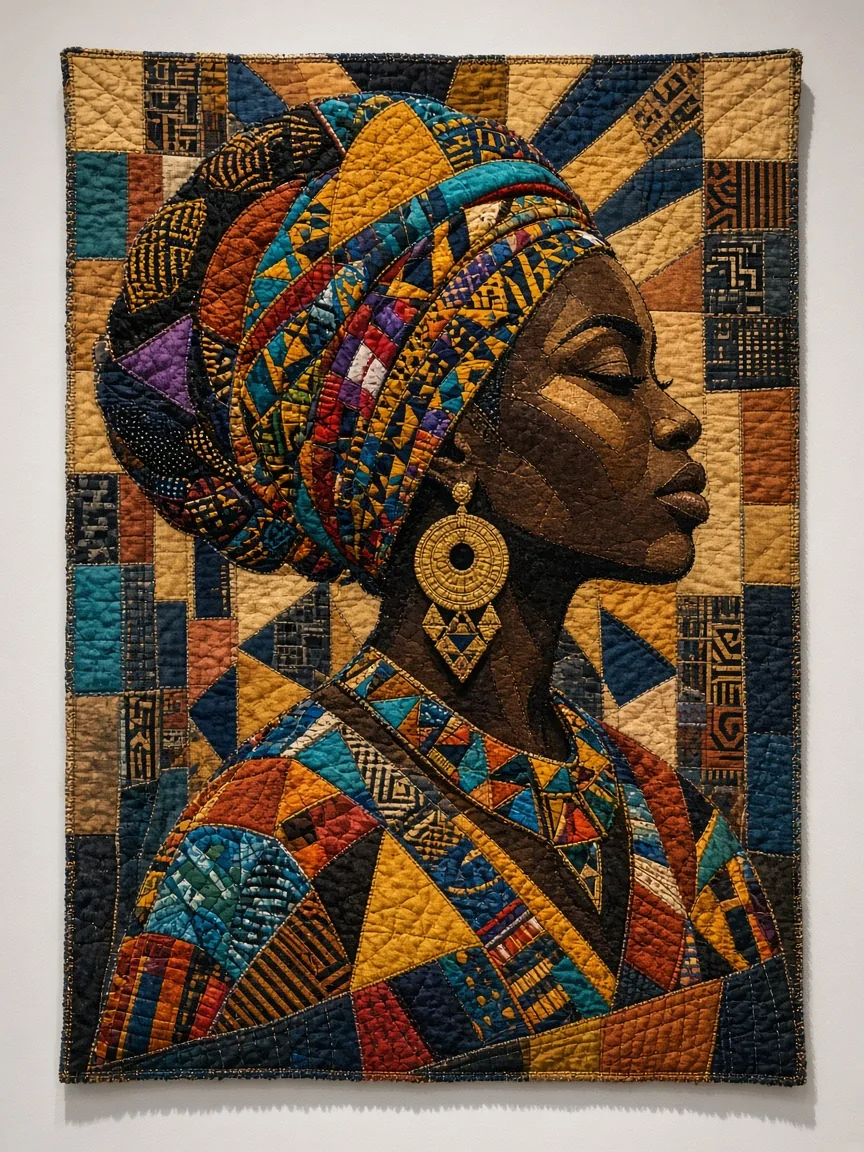
A quilted portrait built from geometric fabric is proof that craft media belong in the contemporary art conversation without apology.
Bisa Butler’s quilt portraits made that argument vivid for a huge audience: color, pattern, dignity, technical rigor.
If your walls are cold, textile work warms them without asking you to fake a cabin aesthetic.
How I Use a List Like This
Pick two artists. Look at ten real works each. Then decide what you actually respond to: narrative pressure, portrait grandeur, conceptual cool, or textile density. Lists are doors. They are not the room.
For more names and adjacent scenes, famous contemporary artists and contemporary female artists are useful next stops, still with the same rule: go see the work, do not stop at the headline.
FAQ
Who are important Black contemporary artists?
Names often discussed include Kara Walker, Kehinde Wiley, Carrie Mae Weems, Mickalene Thomas, Njideka Akunyili Crosby, Lorna Simpson, and Bisa Butler. Treat any short list as a starting map, not a closed canon.
What themes show up in their work?
History and power, portraiture and visibility, domestic space, collage and pattern, conceptual photography, and textile craft as fine art.
How should I start learning about Black contemporary artists?
Pick two artists, look at multiple real works, read one serious essay or museum text, and notice what repeats in your own attention.
Is contemporary Black art only figurative?
No. Figuration is highly visible, but abstract, conceptual, sculptural, and textile practices are central too.