
Clay is having another moment, and not only on craft fair tables. When people search for contemporary ceramic artists, they usually want names that explain why museums, design fairs, and Instagram feeds suddenly agree on the same material again.
I built this list as a working map, not a hall of fame. Fourteen artists, fourteen ways of pushing ceramics past the vase-on-a-shelf cliché. If you need a wider art context first, start with contemporary artists of today and come back here for the clay specialists.
I grouped them by what the work argues about: identity, myth, landscape, pattern. The order is intentional. I open with artists who use clay as social speech, then move toward surface, ecology, and quiet form.
When clay carries an argument, not only a silhouette
This block is where ceramics stops apologizing for being useful. Teapots quote painters. Figures talk back to history. I keep these four names together because each one forces a question about who gets to own craft legacies in public space.
Roberto Lugo and the teapot as a protest sign
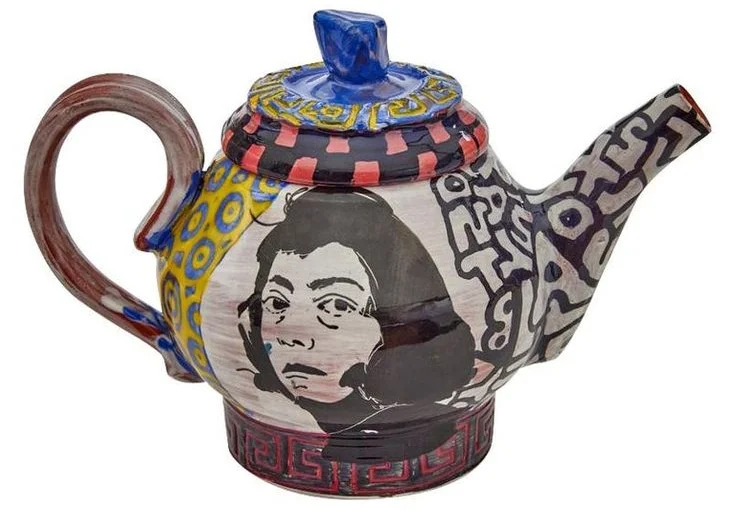
Joan Mitchell Teapot in glazed ceramic by Roberto Lugo
Lugo is the reason I stopped treating ceramics as a polite sidebar to painting. He moves between graffiti logic and porcelain discipline without sanding off either edge. The Joan Mitchell teapot in this image is not a joke about art history. It is a claim that museum lineages should answer to neighborhoods that never got a placard.
I saw his work in a major American museum context and watched visitors linger longer on ceramic portraits than on nearby canvases. That tells me the medium is not the limit. The framing is. Lugo makes clay feel urgent because the stories are specific, not decorative.
Bruce M. Sherman and the grin in the stoneware
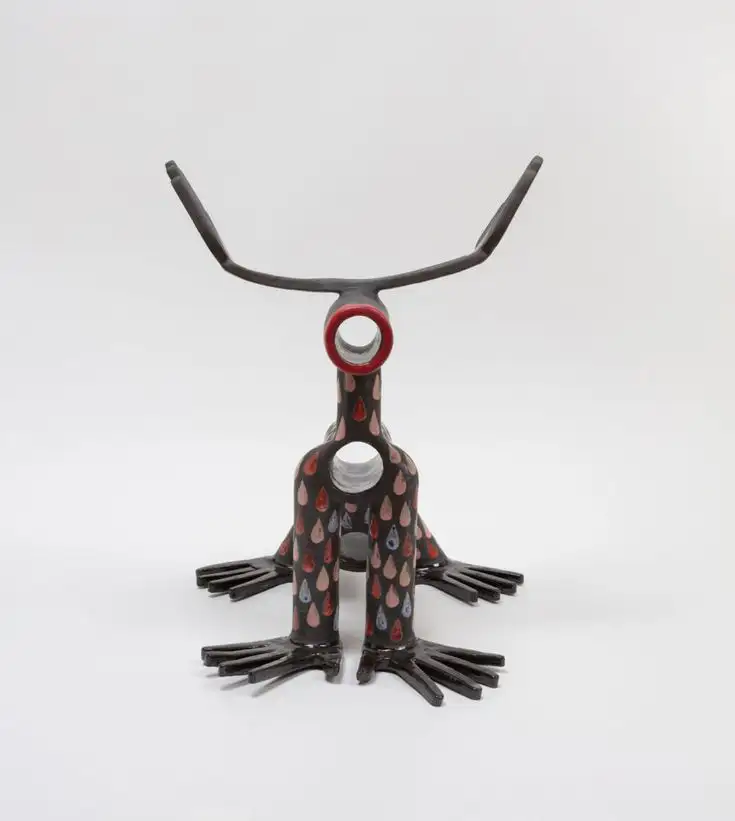
2018 – I by Bruce M. Sherman
Sherman trained as a dentist before he committed to sculpture full time. I mention that because the work has bite in both senses: figurative humor with anatomical precision. His forms wobble between toy and totem, which keeps contemporary ceramic artists lists from turning into solemn craft worship.
I respond to the integrity in the awkwardness. These pieces do not ask to be cute. They ask whether you will stand close enough to see the hand pressure in the glaze. That is a different contract than slick design pottery.
Coille Hooven and porcelain as gendered memory
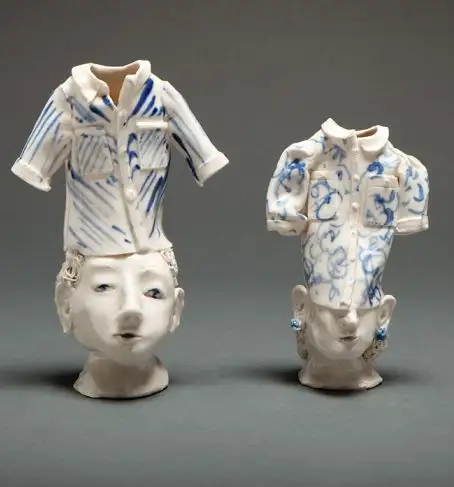
Coille Hooven porcelain sculpture, New York solo exhibition
Hooven works in porcelain with a psychological charge that feels closer to short fiction than decor. Her Berkeley roots and feminist lineage matter because the domestic scene in clay is never neutral. I think of her when someone says ceramics is soft. These pieces are precise about power.
The New York solo moment in the caption is not hype. It is evidence that late-career porcelain can still open rooms that painting assumed it owned. I would put her near any sculptor working in bronze right now and ask the audience to compare emotional temperature, not material prestige.
Jami Porter Lara and the plastic bottle that became sacred
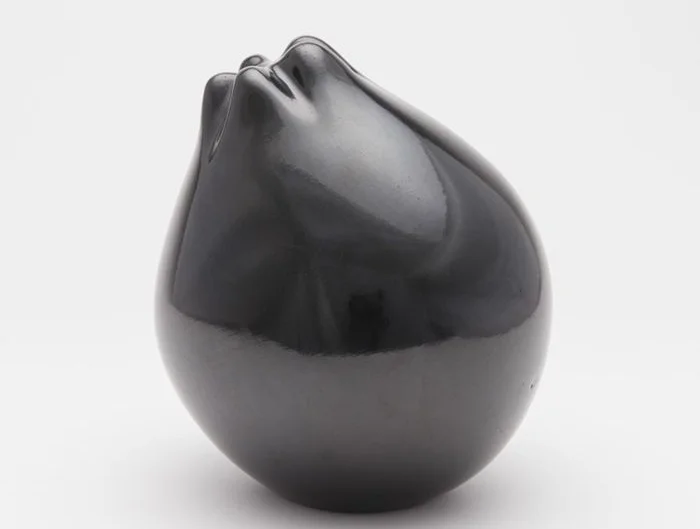
A Map with No Border by Jami Porter Lara
Porter Lara remakes discarded plastic bottles in clay using methods tied to Indigenous ceramic traditions. I find the swap brutal in the best way: the landfill object inherits ceremonial gravity. Her work belongs on any serious list of contemporary ceramic artists because it reframes ecology without lecture slides.
I keep returning to the border in the title. These pieces are not only about water politics. They are about how craft knowledge travels when official histories pretend innovation starts in factories. That is contemporary art with a spine, not a trend report.
Myth, folklore, and porcelain that performs
The artists here build worlds. Porcelain becomes stage set. Folklore becomes scale. If you are tracing how sculpture and ceramics overlap in museums, our contemporary art sculpture guide covers the three-dimensional side from a different angle.
Malene Hartmann Rasmussen and the forest in the kiln
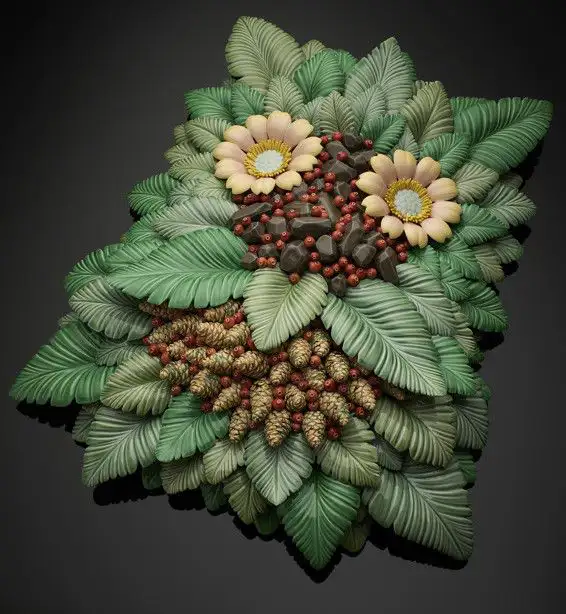
Trolls (2014–2018) by Malene Hartmann Rasmussen
Rasmussen pulls Danish storytelling into sculptural ceramics with a patience I rarely see in hurry-up studio culture. Her troll figures are not nostalgia cosplay. They are built like set pieces for a story you half remember from childhood.
I saw her work discussed in European biennial contexts before it crossed my feed in the US. That lag is common in ceramics. The lesson: watch Copenhagen and London queues, not only New York openings.
Yun Hee Lee and the dream logic of porcelain
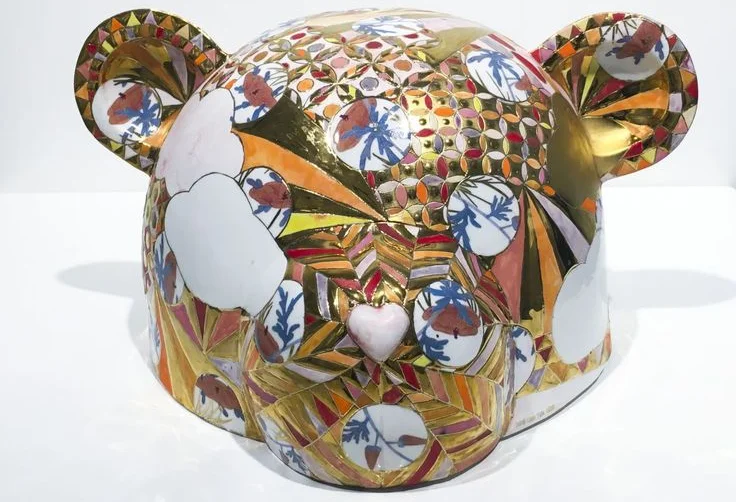
Sublime Journeys by Yun Hee Lee
Lee stacks figurative cues until the sculpture feels like a paused film still. Hong Ik training shows in the control: nothing accidental, yet the scene stays uncanny.
I group her with Rasmussen because both artists treat narrative as spatial, not literary. You walk around the piece and the story changes angle. That is what separates illustration clay from contemporary ceramic art with ambition.
Chanakarn Semachai and the jar that holds too much detail
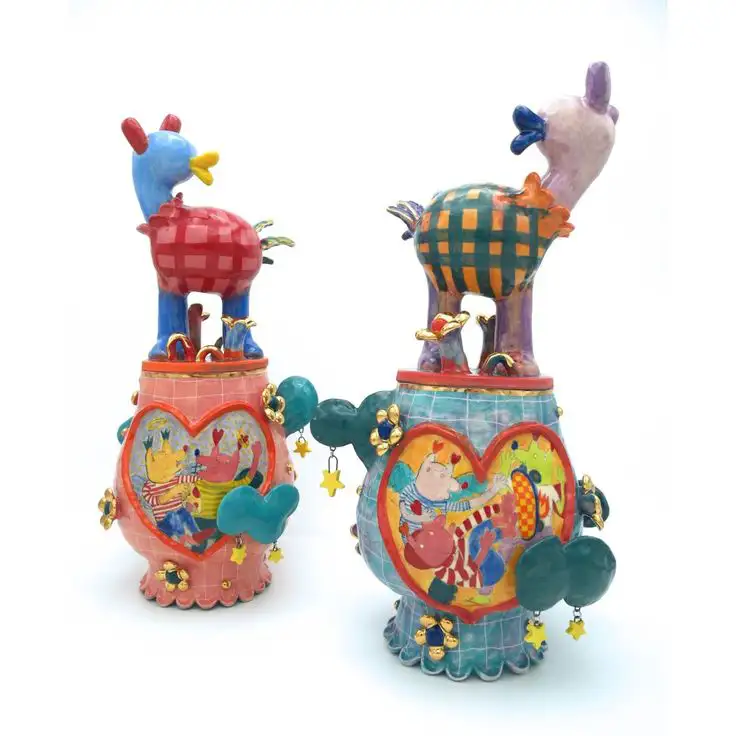
Sculptural Lidded Jar by Chanakarn Semachai
Semachai works from Bangkok outward, and the cultural compression shows in surface density. This lidded jar is a lesson in restraint versus ornament: every mark has a job.
I also respect her community role in ceramics education. Artists who teach while exhibiting tend to push the field faster than lone genius myths allow. Her MFA path through the US adds hybrid technique without erasing the Thai craft intelligence underneath.
Jeffrey Sun Young Park and the sunshine dokkaebi
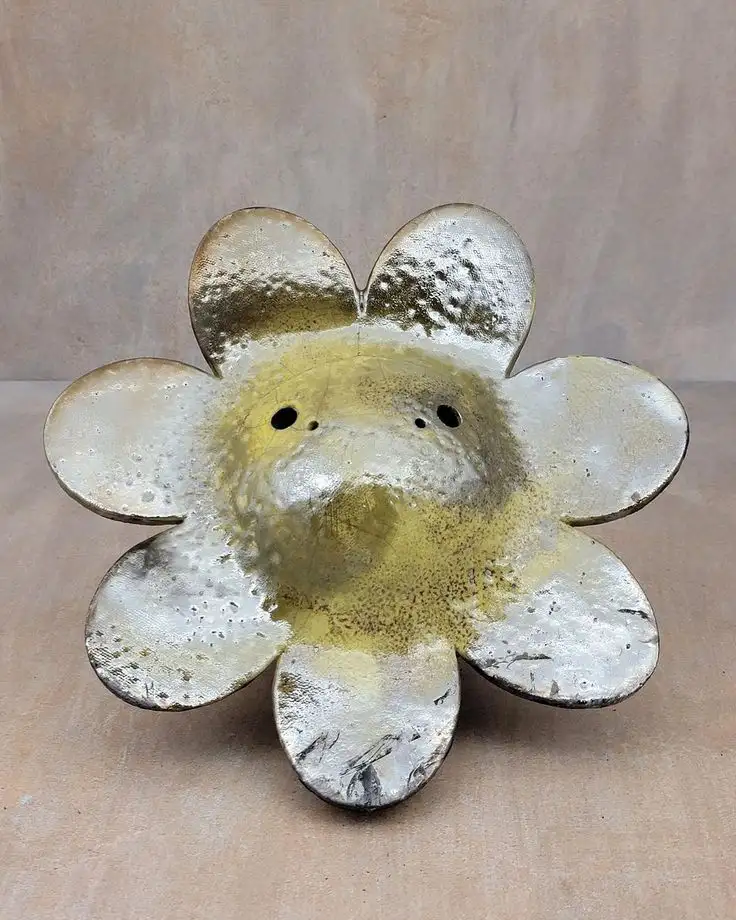
Sunshine Dokkaebi by Jeffrey Sun Young Park
Park lives in Los Angeles but the work channels Korean folk energy with pop brightness. I call it sunshine dokkaebi because the piece on our site looks like mischief with showroom lighting.
Ceramics often gets praised for calm. Park proves loud can still be skilled. I would hang this near street art archives and watch viewers argue about category boundaries. That argument is the point.
Landscape, ecology, and clay that remembers place
These four artists make me slow down. Texture replaces punchline. Several of them also show how contemporary ceramic artists borrow language from contemporary art styles without giving up craft literacy.
Aneta Regel and the storm in stoneware
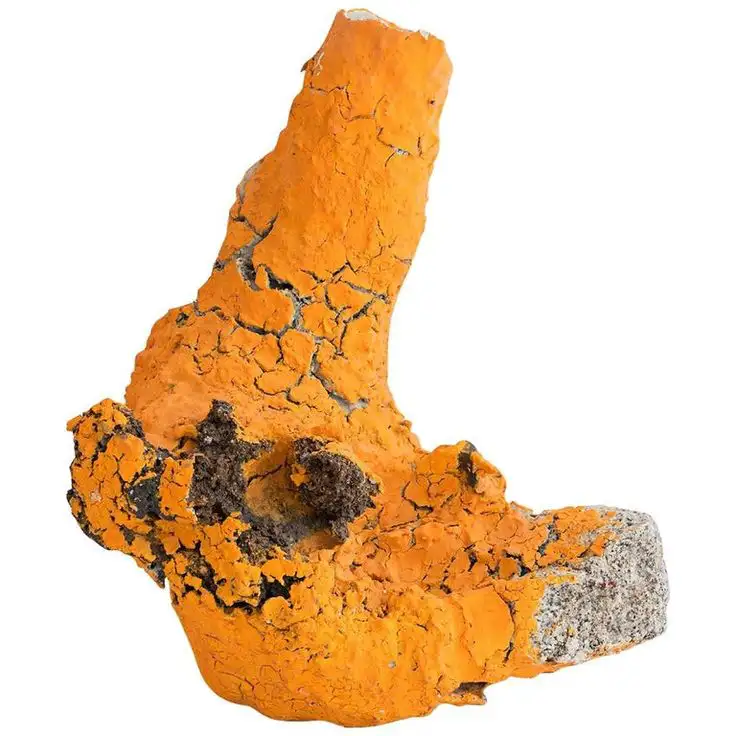
Aneta Regel, stoneware, British Ceramic context
Regel builds landscapes that feel weathered before you reach the pedestal. Polish training and London gallery presence give her a cross-continental read that matters for collectors.
I do not love every organic ceramic trend, but Regel earns the texture. The forms look grown, not styled. That difference is everything when clay tries to imitate nature photography.
Andile Dyalvane and seating as cultural archive
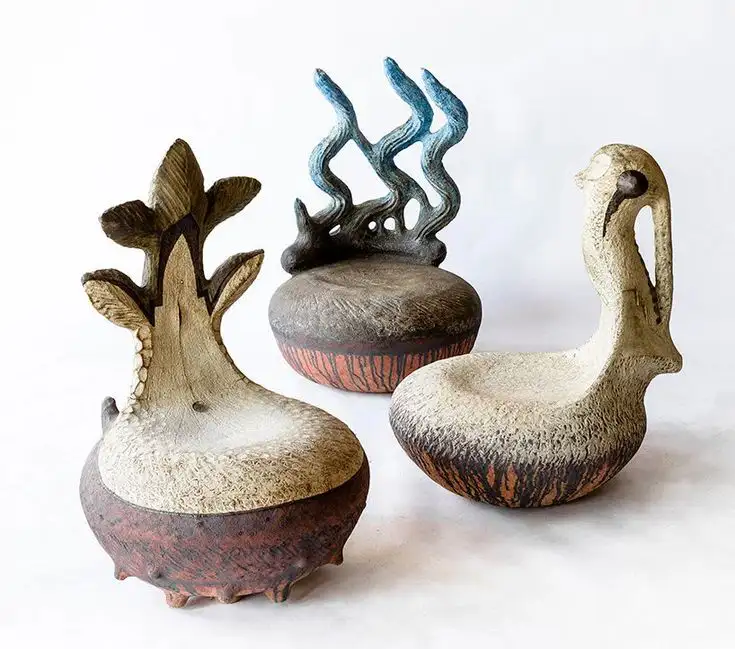
Andile Dyalvane sculptural ceramic seating
Dyalvane treats clay as community infrastructure, not only gallery object. His seating pieces make me rethink the word functional. They are usable and ceremonial at once.
I first encountered his work in design dialogues that usually ignore ceramics unless a brand needs texture. Here the object leads. You imagine bodies, gatherings, and inherited forms before you ask for a price list.
Katie Spragg and the city weeds in porcelain
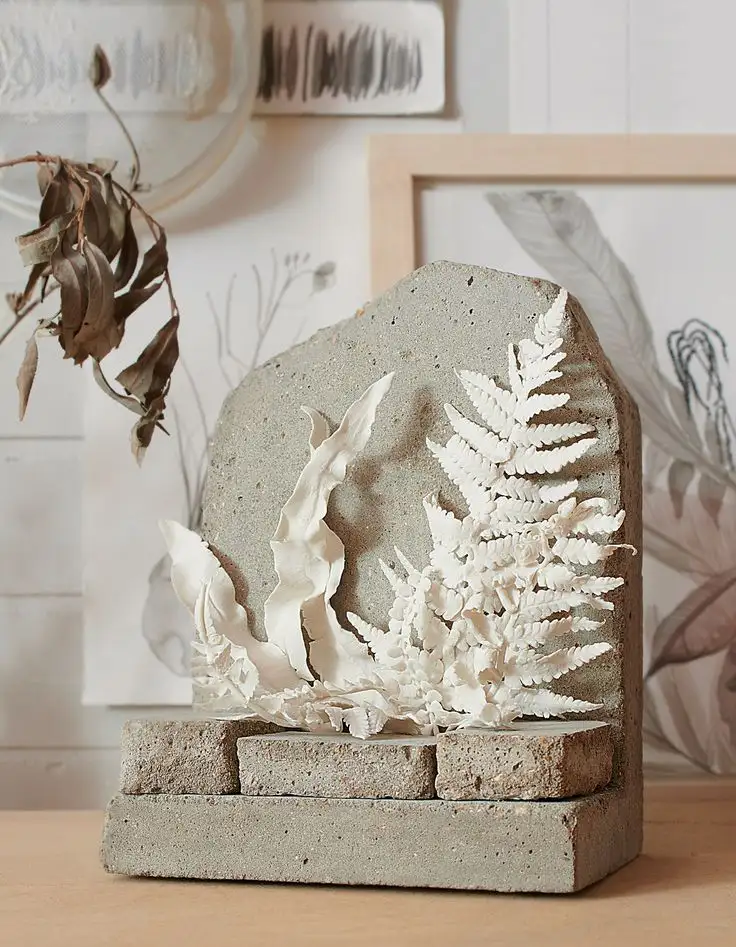
Katie Spragg, urban flora in ceramic
Spragg watches plants the way street photographers watch corners. Her urban flora pieces are small but stubborn. I mean that as praise.
British biennial attention and Sotheby-adjacent commissions signal market respect, but the studio logic is still intimate. She proves observation can carry a ceramics career without giant kiln spectacle.
Stephanie Phillips and the moon bulb as gentle surrealism
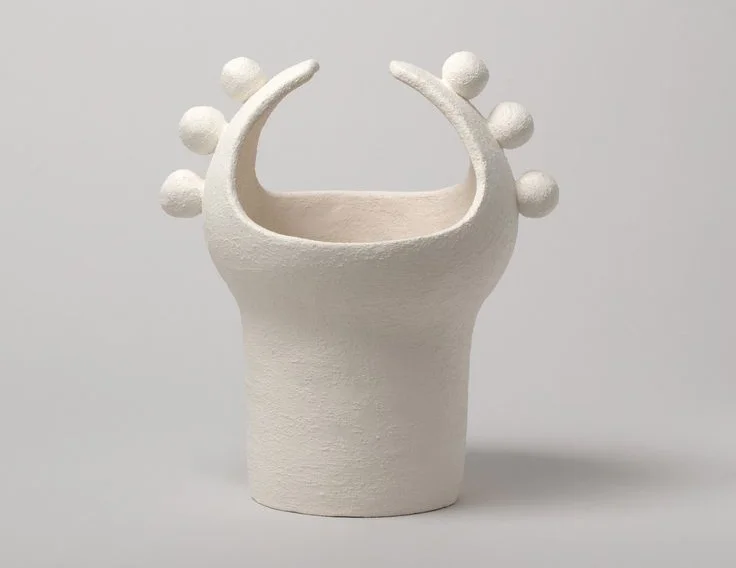
Moon Bulb Sculpture by Stephanie Phillips
Phillips sits in a quieter register than Lugo or Park, but the surrealism is deliberate. The moon bulb form looks friendly until you notice how carefully the glow is withheld.
I include her because contemporary ceramic lists skew toward shock. Sometimes the radical move is patience: one odd object that refuses to explain itself on first glance.
Pattern, persona, and the object that holds the room
Cristina Tufino and the face as ceramic mask
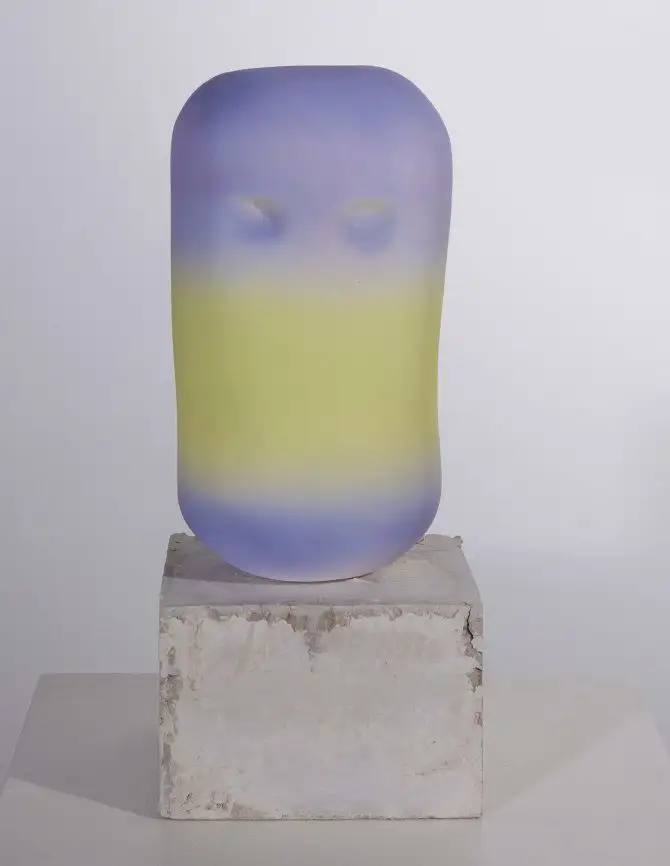
Cristina Tufino ceramic portrait
Tufino works the portrait edge where ceramics meets performance memory. The surface feels editorial, like a magazine cover fired at high temperature.
I keep her beside Kley because both artists treat decoration as psychology, not filler. You do not get neutral walls behind these objects. You get attitude.
Elisabeth Kley and the black-and-white stool
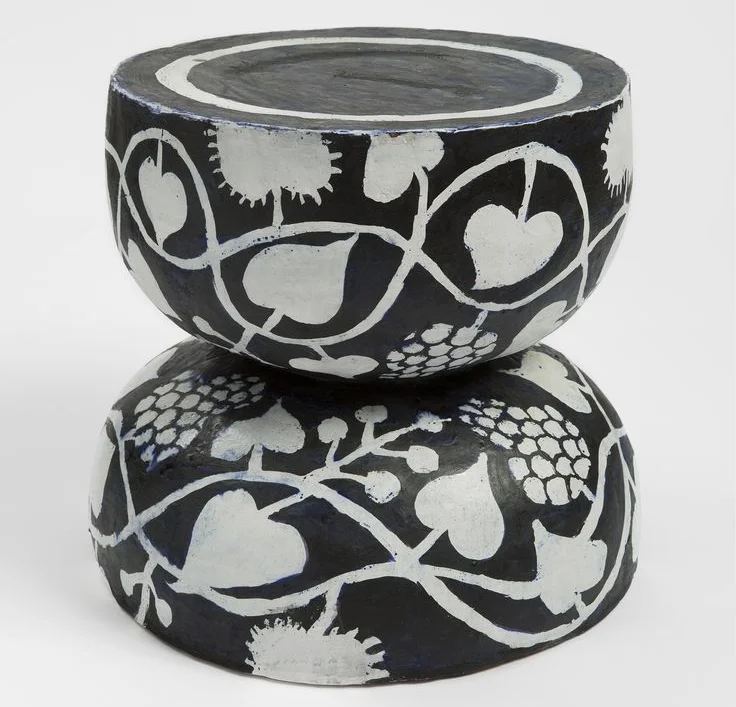
Stool with Grapes, 2019 by Elisabeth Kley
Kley compresses architectural ornament into objects you could almost use. The black-and-white palette is a discipline choice, not a shortage of color imagination.
I close with her because the list should end on form, not biography noise. If you want a tighter definition of who counts as contemporary in any medium, read what is a contemporary artist and then pick two names from this page to follow for a month.
Pick one artist whose work annoys you and one whose work you would live with. Ceramics gets interesting when you admit both reactions can be true. That is how a list of contemporary ceramic artists becomes studio literacy instead of Pinterest background.
FAQ
What defines contemporary ceramic art?
Contemporary ceramic art is clay-based work made in dialogue with present culture: it can be functional, sculptural, political, or conceptual. The label follows time and intent more than a single technique.
Who are the most influential contemporary ceramic artists today?
Influence shifts by region and institution, but artists such as Roberto Lugo, European porcelain sculptors, and community-focused studio potters regularly shape museum and market conversation. Lists should be starting points, not final rankings.
Is contemporary ceramic art the same as pottery?
Pottery usually emphasizes vessels and craft lineage. Contemporary ceramic art may use the same materials but often targets galleries, social themes, or hybrid sculpture contexts. Many artists do both.
How do I start collecting or following ceramic artists?
Follow museum clay exhibitions, biennials, and studio open days. Pick two artists with opposite approaches, then compare how each handles surface, scale, and narrative. Depth beats breadth at the start.