
Lists of contemporary female artists fail when they read like apology tours. Women are not a niche inside painting. They are half the studio visits I care about, and the work is strong enough to stand without a morale sticker on the frame.
I chose fourteen names I return to when someone asks who is actually shaping galleries, auctions, and argument in 2026. Not a census. A working map. For the broader roster, start with contemporary artists of today and come back here for gender, body, and power as subject matter.
I cut the old history tables and filler chapters about techniques and movements. Those belong in courses. This page is for looking. Our contemporary art styles guide helps if you need labels for how these practices differ from Pop or conceptual work.
Photography, protest, and the self as material
These five artists treat identity as a public problem, not a private diary entry. Cameras, text, and archives do the heavy lifting.
Cindy Sherman and the character that stares back
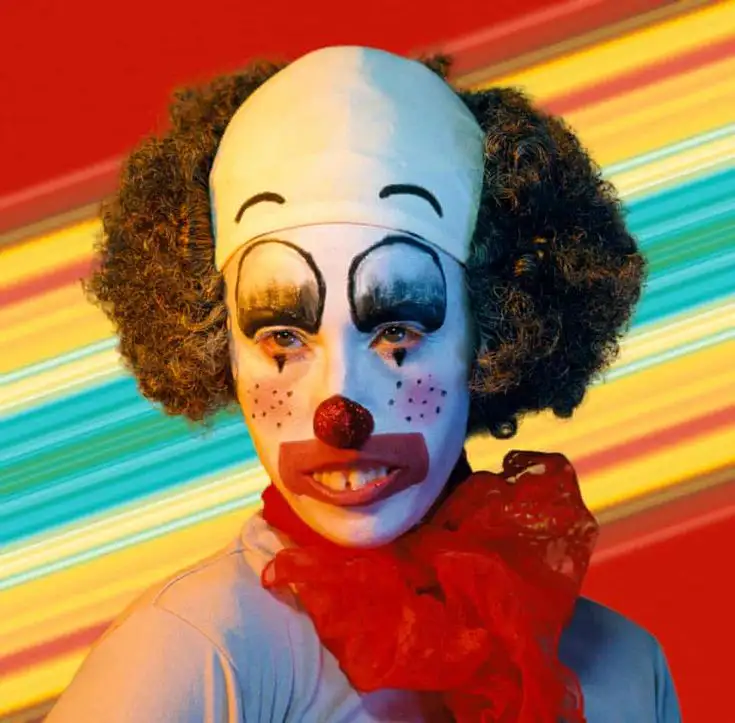
Cindy Sherman, clowning around and socialite selfies
Sherman invented a job description: photographer as unreliable narrator. Each portrait is a costume with teeth. I still use her work when I teach people to distrust a single image.
She belongs on any honest list of contemporary female artists because she changed how authorship works, not only how women appear.
Barbara Kruger and the sentence as weapon
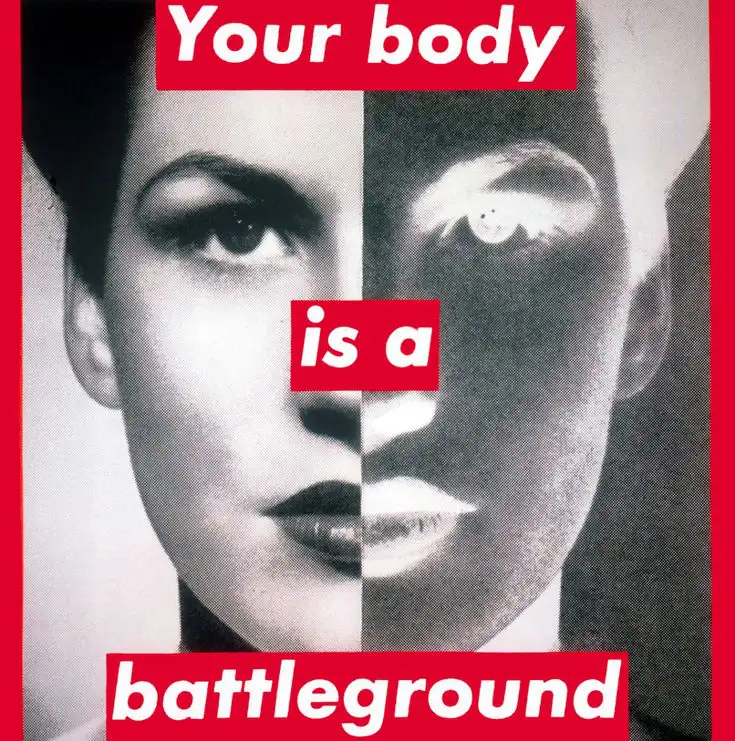
Your body is a battleground
Kruger compresses politics into fonts you cannot ignore. The work is graphic design with courtroom urgency.
I see her influence every time an Instagram story uses bold type over a face. The difference is she earned the aggression in the 1980s when museums still pretended neutrality.
Catherine Opie and the portrait as proof of community
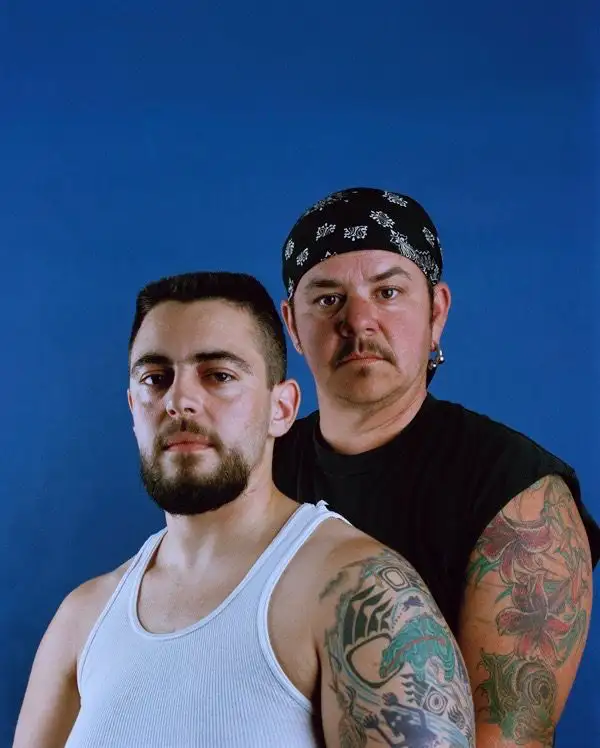
Mike and Sky, 1993
Opie documents chosen families and queer life with the same formal care museums give dynasties. That parity matters.
Her Los Angeles roots show in how light sits on skin. I keep her near Sherman because both ask who gets to be seen as American, and on what terms.
Andrea Bowers and the archive that picks a side
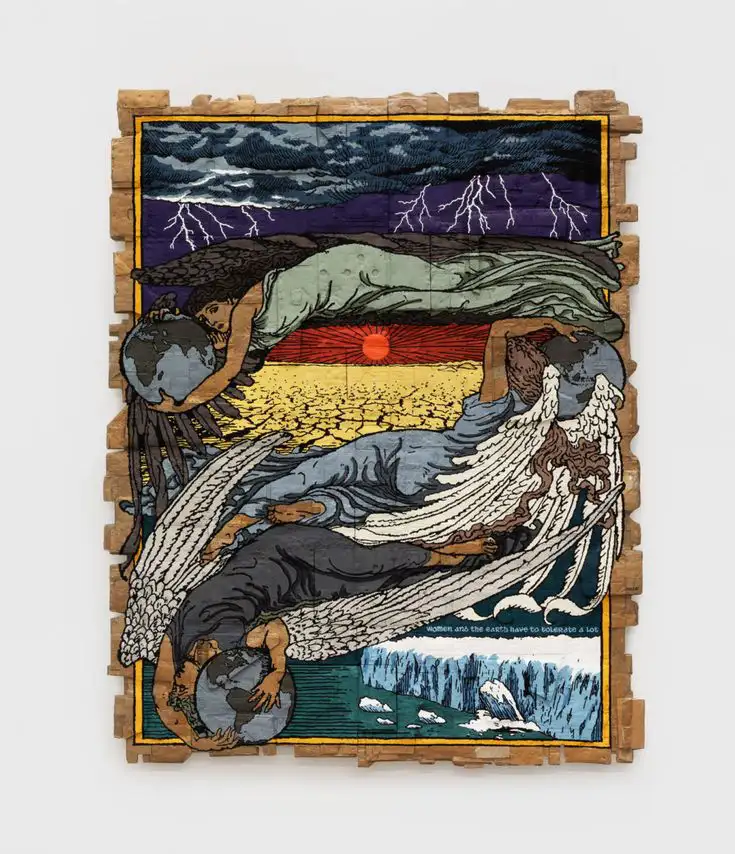
Andrea Bowers at Andrew Kreps Gallery
Bowers turns activism into sculpture without sanding off the mess. Banners, labor history, and environmental fights become objects you cannot walk past politely.
I admire artists who risk being called preachy. The risk is often honesty.
Ida Applebroog and the domestic scene with teeth
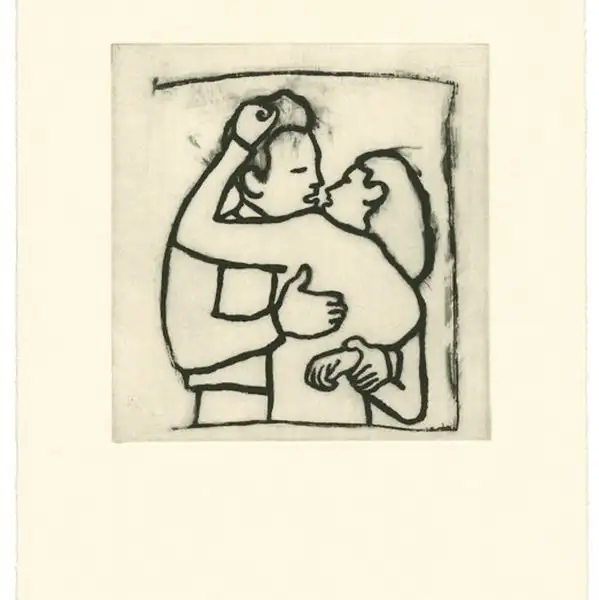
Ida Applebroog, untitled
Applebroog draws domestic life like a crime scene with jokes. The line is simple. The implications are not.
Older women in contemporary art history get filed under overlooked too quickly. I include her as a reminder that ferocity does not retire at seventy.
Paint, flesh, and bodies that refuse the male default
These painters rewrite the figure without asking permission from classical nudes. For landscape-scale comparison in another medium, see our best contemporary landscape artists list. Different subject, same seriousness about craft.
Jenny Saville and the weight on the linen
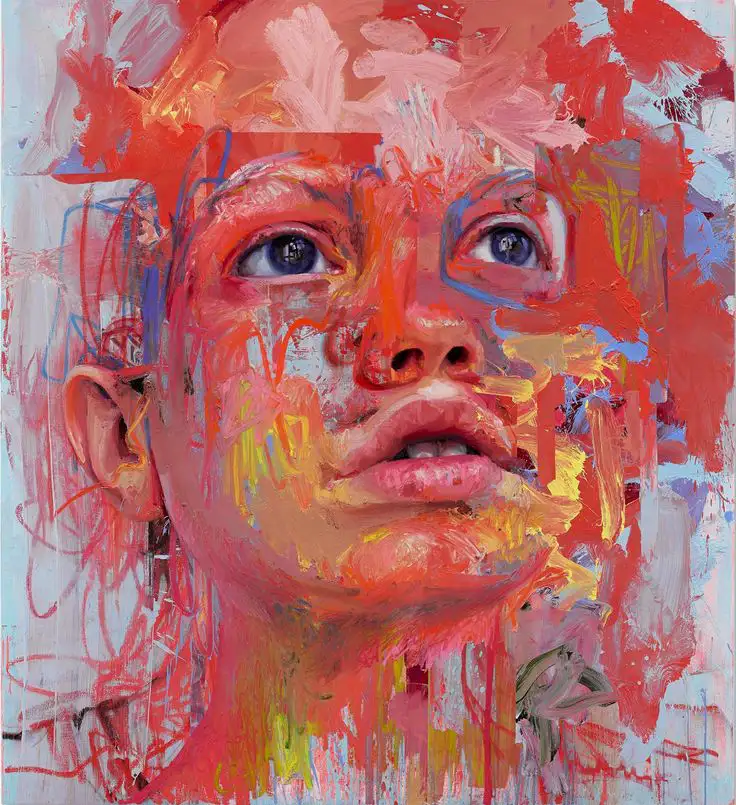
Jenny Saville, Second Nature, 2020
Saville paints flesh like weather systems. Scale is part of the argument. You cannot step back and pretend the body is decorative.
I saw students cry in front of her work once, not from shock, from recognition. That is rare in a cold gallery.
Cecily Brown and the figure inside the storm
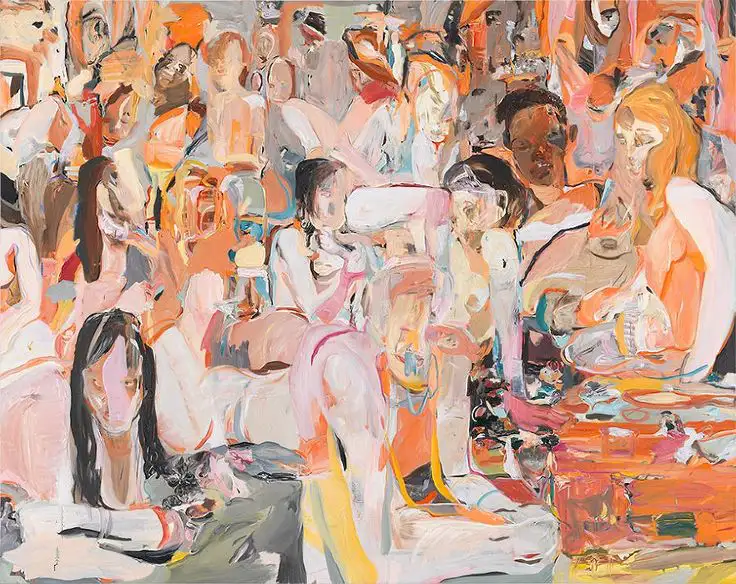
Cecily Brown, Beverly Hills, Gagosian
Brown keeps figuration alive inside abstraction that actually moves. The erotic charge is there without becoming perfume ad.
She proves paint can stay messy and still command auction respect. I need that proof when younger painters apologize for liking beauty.
Marlene Dumas and the portrait as wet memory
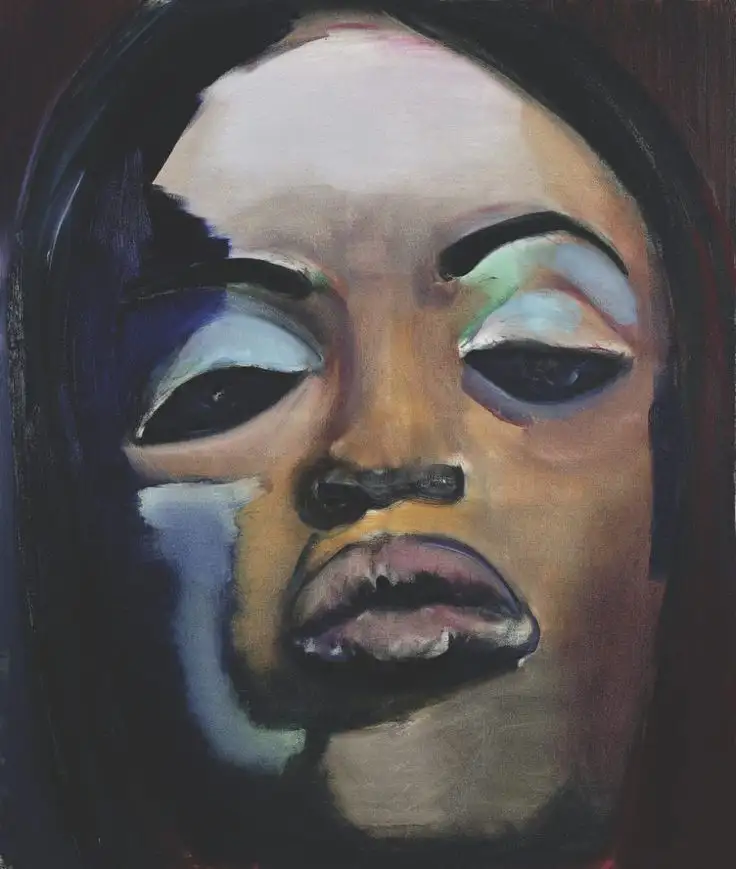
Marlene Dumas, The Image As Burden
Dumas works thin washes until faces feel like they might dissolve. The vulnerability is strategic, not soft.
Her South African and European context shows in how she handles public grief and private desire in the same breath.
Christina Quarles and the body that will not sit still
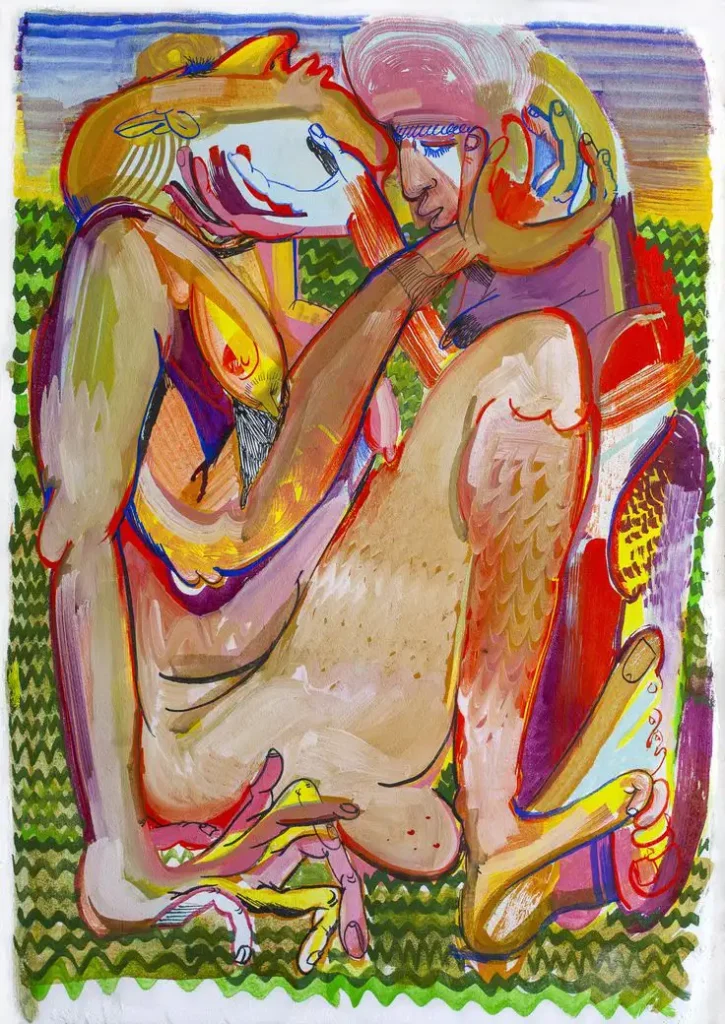
Christina Quarles, Magic Hour
Quarles bends limbs until gender reads as question marks. The color is joyful. The composition is rigorous.
She is one reason I tell readers to stop asking for one representative woman in art. Quarles is not Saville. That is the point.
Amy Sillman and the joke that understands structure
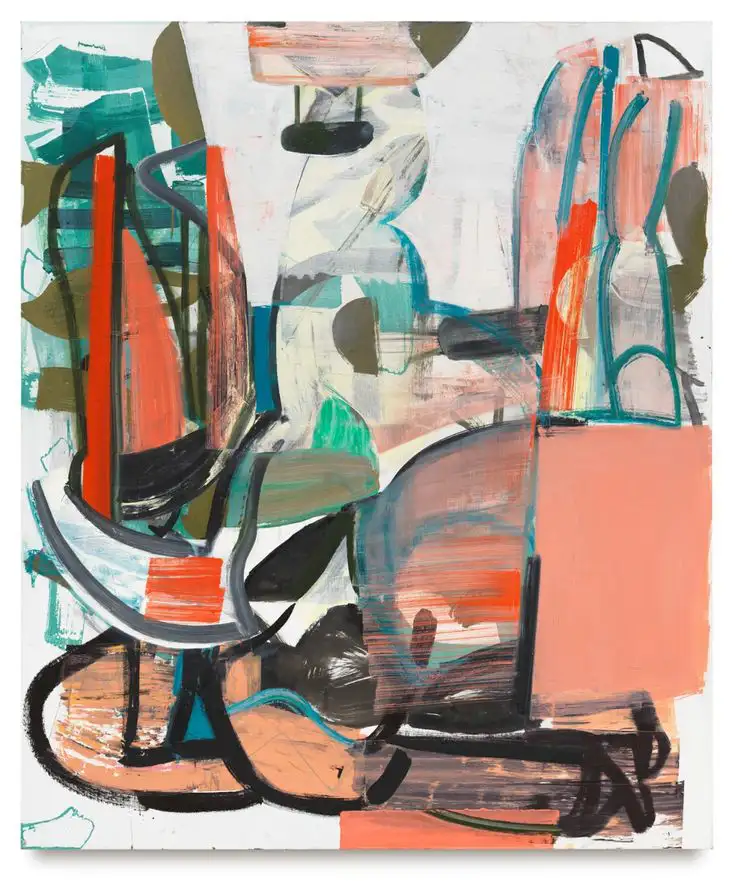
Amy Sillman, South Street, 2021
Sillman moves between drawing comedy and painterly doubt faster than most artists move between media. The work feels casual until you try to copy it.
I keep her in the body section because abstraction here is still embodied, still awkward, still human.
Scale, line, and painters who redraw the room
Julie Mehretu and the map that caught fire
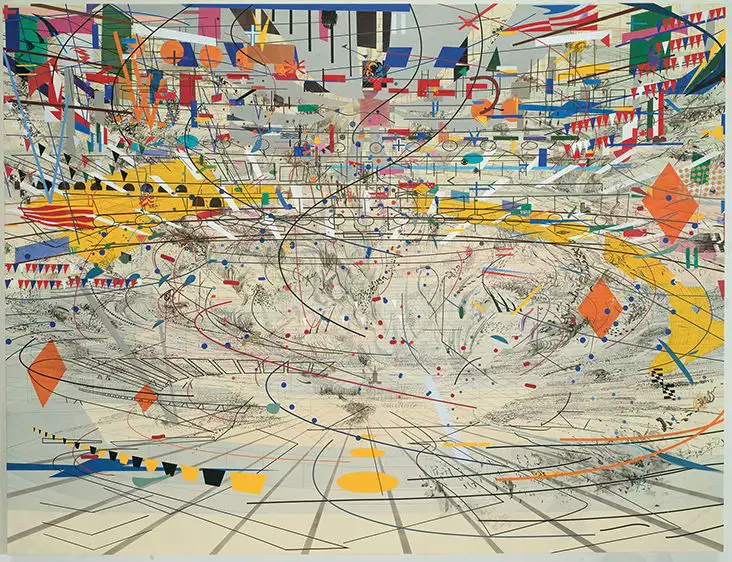
Julie Mehretu, Mapping the Modern World
Mehretu stacks architecture, protest, and mark-making until the canvas feels like a city during an argument. Scale is not vanity. It is the only honest size for global movement.
I start here when someone says women painters only do intimacy. Mehretu paints systems.
Elizabeth Peyton and the crush as serious portrait
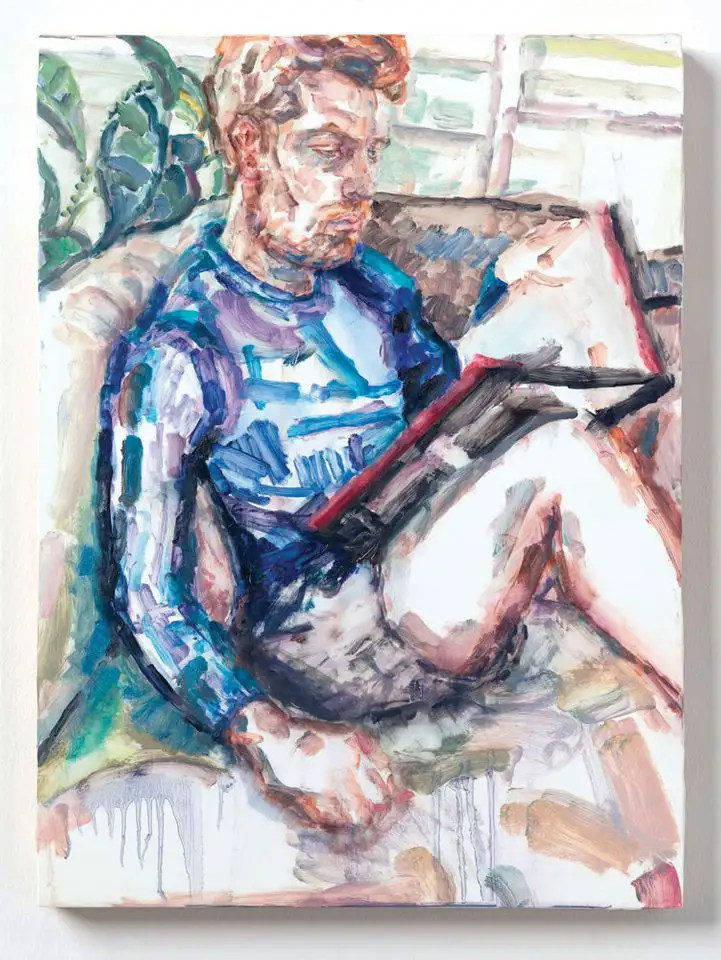
Elizabeth Peyton, portrait of Nicholas Cullinan
Peyton makes small paintings about admiration without irony. Rock stars, friends, lovers, directors in shorts.
The intimacy is the politics. Who gets to be painted with care in art history matters.
Jo Baer and the edge as philosophy
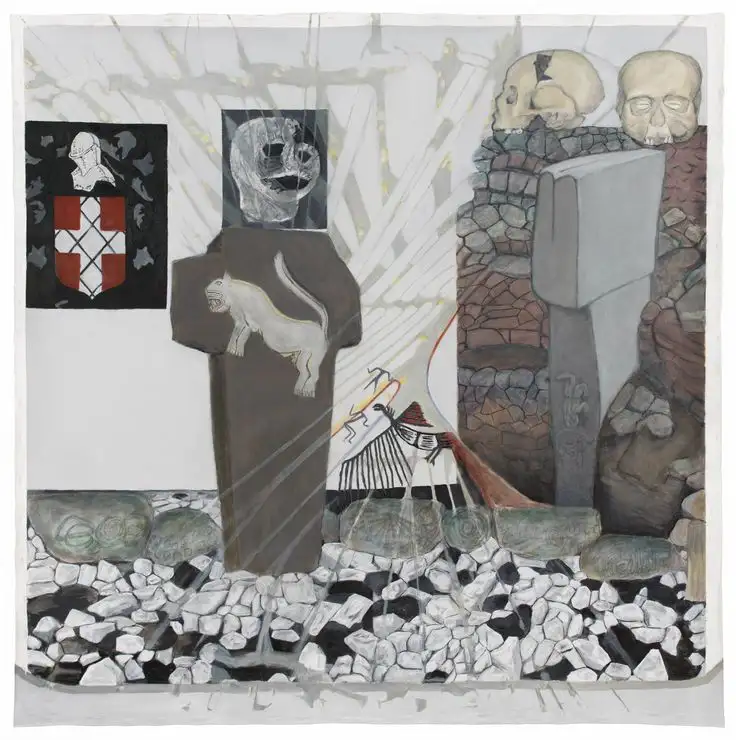
Jo Baer, Towards the Land of the Giants
Baer walked out of minimalism when it became a boys club and kept the intelligence. Her edges and frames ask where a painting begins.
Including her honors painters who are not only in their thirties. Contemporary female artists include entire careers, not only debut hype.
Rita Ackermann and the line that will not behave
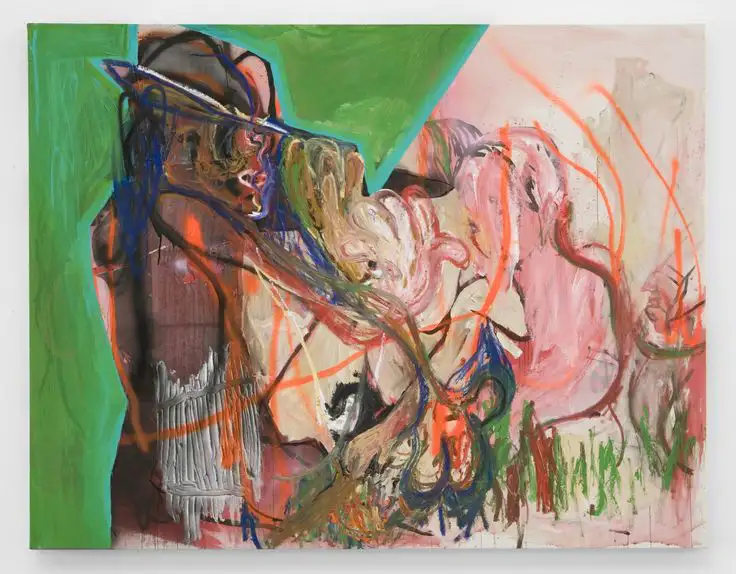
Rita Ackermann
Ackermann mixes punk energy with draftsmanship that galleries still underestimate. The work feels raw and controlled in the same stroke.
I close with her because younger painters need to see that rebellion and skill are not opposites. If you want ceramic and sculptural voices next, browse contemporary ceramic artists on Culturizm.
Pick three artists from different sections and write one sentence each about who controls the gaze in the work. That exercise beats any generic praise about empowerment.
FAQ
Who are the most important contemporary female artists?
Important names include Cindy Sherman, Jenny Saville, Julie Mehretu, Cecily Brown, and Barbara Kruger, among others. Importance shifts by whether you care about photography, painting, politics, or abstraction.
What defines contemporary female artists as a category?
The category describes women making art in dialogue with present culture. It is useful for discovery but should not limit how the work is discussed or collected.
Why focus on women artists separately?
Because museum history underrepresented them for decades. Focused lists repair discovery gaps; they do not replace general art history.
How do I start studying contemporary women in art?
Pick one photographer and one painter from this list. Follow their museum pages, then read one interview and one critical review each before expanding.